
Installing solar panels is a smart investment, but their performance depends on regular care. Dust, pollen, bird droppings, leaves, pollution, and other debris can block sunlight and reduce energy production. That is why Solar Panel Cleaning and routine maintenance are essential for keeping your system operating at peak efficiency.
Many homeowners believe rainfall is enough to clean solar panels. While rain may remove loose dirt, it rarely eliminates stubborn debris or mineral buildup. Proper Solar Panel Cleaning helps maximize energy output, extends the life of your solar system, and protects your long-term investment.
This guide explains the best practices for Solar Panel Cleaning, provides practical solar panel maintenance tips and schedules, and outlines how to safely maintain both residential and commercial solar systems.
Why Solar Panel Cleaning Is Important
Solar panels generate electricity by capturing sunlight. Any dirt or obstruction on the panel surface reduces the amount of sunlight reaching the photovoltaic cells.
Regular Solar Panel Cleaning provides several benefits:
- Maximizes energy production
- Improves system efficiency
- Extends panel lifespan
- Prevents long-term surface buildup
- Reduces the risk of permanent staining
- Helps identify early signs of damage
- Protects your return on investment
Routine maintenance ensures your solar system continues producing clean energy efficiently throughout the year.
How Often Should Solar Panels Be Cleaned?
The ideal cleaning frequency depends on your environment.
Factors include:
- Dust levels
- Nearby construction
- Trees
- Bird activity
- Air pollution
- Seasonal weather
- Local rainfall
Most residential systems benefit from cleaning every six to twelve months. However, homes in dusty or high-pollen areas may require more frequent service.
Following a consistent solar panel maintenance tips and schedule helps maintain optimal energy production while reducing the risk of accumulated debris affecting performance.
Best Time to Clean Solar Panels
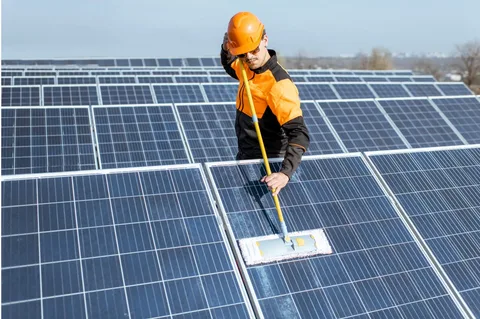
Cleaning should be performed during cooler parts of the day.
The best times include:
- Early morning
- Late afternoon
- Overcast days
Avoid cleaning panels during the hottest hours because cold water applied to hot glass may create thermal stress.
Scheduling Solar Panel Cleaning during mild weather also improves worker safety and allows cleaning solutions to perform more effectively.
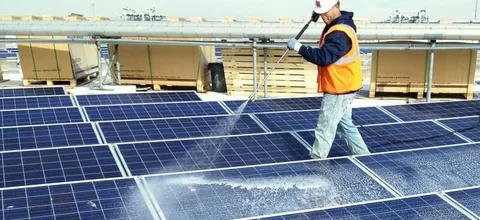
Safe Methods for Cleaning Solar PV Panels
Proper techniques help protect the glass surface and maintain manufacturer warranties.
Recommended cleaning methods include:
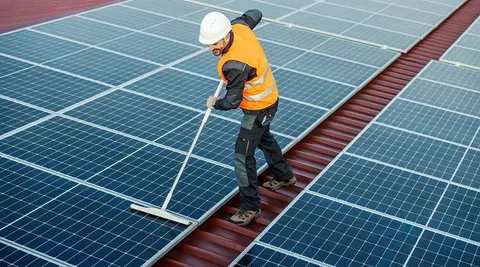
- Soft microfiber cloths
- Soft-bristle brushes
- Purified or deionized water
- Non-abrasive cleaning solutions
- Low-pressure rinsing equipment
Avoid:
- Abrasive scrubbers
- Harsh chemicals
- Metal brushes
- High-pressure washers aimed directly at panel seals
- Sharp scraping tools
Using proper techniques during cleaning solar pv panels helps prevent scratches, seal damage, and reduced system efficiency.
Inspect Panels During Every Cleaning
Cleaning provides an excellent opportunity to inspect the entire solar system.
Check for:
- Cracked glass
- Loose wiring
- Damaged mounting brackets
- Corrosion
- Water intrusion
- Bird nests
- Shade from growing trees
- Loose fasteners
Early detection allows minor problems to be repaired before they become costly system failures.
Create a Preventive Maintenance Plan
Developing a preventive maintenance routine improves system reliability.
A complete solar panel maintenance tips and schedule should include:
- Regular cleaning
- Visual inspections
- Electrical inspections
- Monitoring energy production
- Checking inverter performance
- Reviewing mounting hardware
- Clearing nearby vegetation
Consistent maintenance reduces unexpected repairs and helps maintain manufacturer warranty requirements.
Weather Conditions That Affect Solar Panels
Different weather conditions create unique maintenance challenges.
Dust and Wind
Dry climates often experience heavy dust accumulation, making more frequent Solar Panel Cleaning necessary.
Bird Activity
Bird droppings can block sunlight and leave stubborn stains if not removed quickly.
Tree Debris
Leaves, pollen, and falling branches may cover panels and reduce efficiency.
Coastal Environments
Salt residue may accumulate on panels located near the ocean, requiring specialized cleaning techniques.
Adjusting your solar panel maintenance tips and schedules according to local environmental conditions helps maximize energy production year-round.
Should You Clean Solar Panels Yourself?
Some homeowners choose DIY maintenance, but rooftop work involves safety risks.
Consider:
- Roof height
- Roof pitch
- Electrical components
- Weather conditions
- Fall protection
Professional technicians use specialized equipment that safely removes debris without damaging delicate panel surfaces.
Property owners looking for reliable long-term performance often trust Residential & Commercial Solar Panel Cleaning in Riverside, CA, where experienced technicians use safe cleaning methods, purified water systems, and detailed inspections to improve energy efficiency while protecting valuable solar investments.
Why Professional Cleaning Delivers Better Results
Professional service goes beyond removing dirt.
Experts understand:
- Manufacturer recommendations
- Safe rooftop procedures
- Proper cleaning equipment
- Glass protection
- Electrical safety
- Preventive maintenance techniques
Professional inspections may also identify small issues before they affect system performance.
Businesses and homeowners seeking dependable maintenance frequently choose Professional Solar Panel Cleaning Services in Anaheim, CA, where comprehensive cleaning programs help restore maximum sunlight exposure, improve electrical output, and extend the lifespan of residential and commercial solar energy systems.
Additional Maintenance Tips
Besides regular cleaning, homeowners should:
- Monitor monthly energy production
- Trim nearby tree branches
- Inspect mounting hardware
- Remove leaves from around panels
- Watch for unusual inverter warnings
- Schedule annual professional inspections
Following these solar panel maintenance tips and schedule recommendations helps maintain consistent performance throughout every season.
Even high-quality solar systems perform best when supported by routine inspections and preventive care.
Common Mistakes to Avoid
Many solar owners unknowingly reduce system performance by making avoidable mistakes.
Avoid:
- Walking directly on panels
- Using abrasive brushes
- Cleaning hot glass with cold water
- Ignoring bird nests
- Delaying maintenance
- Using harsh household cleaners
- Spraying excessive pressure directly at seals
Proper cleaning solar pv panels requires gentle techniques that protect sensitive glass coatings while effectively removing debris.
Why Choose JM Pressure Washers?
Maintaining clean solar panels requires experience, proper equipment, and safe cleaning methods. JM Pressure Washers provides professional solar panel cleaning solutions designed to improve energy efficiency while protecting your investment.
Whether servicing residential rooftops or large commercial solar arrays, trained technicians follow industry best practices to safely remove dirt, pollen, mineral deposits, and environmental contaminants without damaging sensitive photovoltaic surfaces.
Many property owners also rely on Energy-Efficient Solar Panel Cleaning Services in San Diego, CA, where specialized maintenance programs help improve long-term solar performance through safe cleaning practices, detailed inspections, and proactive system care.
Conclusion
Routine Solar Panel Cleaning is one of the easiest ways to maximize solar energy production and extend the lifespan of your system. Dirt, dust, bird droppings, and environmental debris can gradually reduce efficiency, making regular maintenance an essential part of protecting your investment.
By following proven solar panel maintenance tips and schedule, inspecting your system regularly, and using safe methods for cleaning solar pv panels, you can keep your solar array performing at its best for many years. With professional support from JM Pressure Washers, homeowners and businesses can maintain clean, efficient solar panels while ensuring reliable energy production and long-term savings.
Frequently Asked Questions
Why is Solar Panel Cleaning important?
Solar Panel Cleaning removes dirt, dust, pollen, bird droppings, and debris that reduce sunlight exposure and decrease energy production.
How often should I follow a solar panel maintenance tips and schedule?
Most systems should be cleaned every six to twelve months, although properties in dusty or heavily polluted areas may require more frequent maintenance.
What are the safest methods for cleaning solar pv panels?
Use purified water, soft brushes, microfiber cloths, and non-abrasive cleaning solutions. Avoid harsh chemicals and high-pressure washing directly on the panels.
Can rain replace Solar Panel Cleaning?
Rain removes loose dust but usually cannot eliminate stubborn dirt, bird droppings, pollen, or mineral deposits. Professional cleaning provides more thorough results.
Why should I update my solar panel maintenance tips and schedules?
Environmental conditions, seasonal changes, and surrounding vegetation can affect maintenance needs. Reviewing your solar panel maintenance tips and schedules regularly helps maintain maximum energy efficiency.
Is professional Solar Panel Cleaning worth it?
Yes. Professional technicians use specialized equipment, follow manufacturer guidelines, inspect for damage, and safely clean solar panels without risking scratches, electrical issues, or reduced system performance.