How Do You Clean Up an Oil Spill? A Complete Guide to Gas and Oil Spill Removal
Oil spillages can occur anywhere. For instance, a leakage from a vehicle, fuel tank, pipeline, or even work accident may lead to oil spillage in the environment. An oil spillage does not only cause serious damage in case of a major spill; even a minor one can have disastrous effects. This is because oil will spread easily and cause harm to the environment and people.
Many people ask, how can we clean up oil spills without making the problem worse. This guide explains the basics of Gas and Oil Spill Removal in clear and simple terms. It covers safety, cleanup methods, environmental concerns, and common mistakes to avoid.
Why Oil Spills Need Immediate Attention
Besides looking unsightly, oil can penetrate the ground and end up in the water via the storm drains. As such, any spill becomes a problem that should not be ignored if its adverse effects are to be avoided. A prompt reaction ensures safety from slips and falls. There are fuels that have vapors that may affect your breathing. In addition, oil is flammable, and a spill poses a potential threat to safety.
There are many benefits of cleaning up immediately after a fuel spill. A new spill will be easier to clean up because it will be closer to the surface. After penetrating concrete or the soil, the clean-up will become more challenging.
The major reasons why you should react promptly to a fuel spill are:
- Avoid damage to the ground and water.
- Eliminate health and fire hazards.
- Stop oil from spreading.
- Facilitate easy clean-up.
- Cut down on costs.
Understanding Different Types of Oil Spills
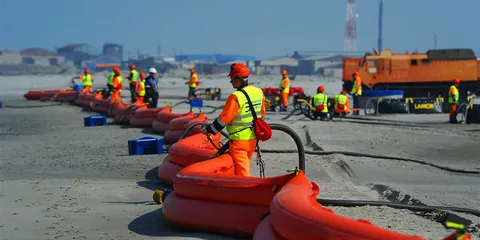
Not all spills are equal. Each kind of oil has different properties; therefore, it needs to be addressed in an appropriate manner. Gasoline evaporates more quickly than motor oil, and diesel fuel tends to cover a wider area. The location of the spill is another variable that alters the procedure used for cleaning up.
Important facts
- Motor oil remains longer.
- Gasoline poses serious fire hazards.
- Diesel fuel usually moves farther away.
Knowing the oil type enables people to select better approaches for cleaning up.
The First Steps After an Oil Spill
The initial response needs to be safety related. Prior to coming into contact with the spill, make sure there is no danger to personnel. Ensure that all engines are turned off if possible and ignition sources are removed. Then, try to eliminate the cause of the leak if possible. Small actions like shutting off a valve or righting an upside-down container might do the trick.
Next, you need to contain the spill. This can be accomplished by using absorbent pads, sand, or other material which will keep the oil from moving towards the drain or water body.
Follow these basic steps:
- Stay calm and assess the situation.
- Wear gloves and protective equipment.
- Stop the leak if it is safe.
- Block storm drains nearby.
- Contain the spill before beginning oil cleanup.
- Dispose of waste according to local regulations.
Safe Methods for Cleaning Up Oil Spills
The best cleanup method depends on where the spill happens and how much oil has leaked. Small spills on hard surfaces usually need absorbent materials first. After that, the remaining residue can be cleaned with products designed for oil removal. However, large spills often require specialized equipment and trained responders.
Many people search for cleaning up oil spills because they want a safe solution. The safest approach always starts with containment. Once the spill is under control, absorb the oil instead of washing it into nearby drains. Water alone does not remove oil. Instead, it spreads contamination over a larger area.
Common Mistakes That Make Oil Spills Worse
Many spills escalate due to the fact that people try to do the clean-up without planning ahead. In some cases, people commit mistakes which lead to further spread of the pollutants instead of their removal. However, the aforementioned issues can be easily solved by having certain information at hand. The first mistake is related to washing the spill with water as this action only leads to the contamination of drainage and additional environmental damage. The second mistake relates to neglecting the spill, fresh spills are easier to remove compared to the old ones.
Moreover, people tend to forget about putting on special gloves and eye protection which makes people vulnerable to harmful substances. The improper disposal is another issue because the contaminated materials can pollute the environment.
How to prevent the common mistakes:
- Washing the spill into the storm drain.
- Neglecting the safety equipment.
- Delaying the clean-up.
- Choosing the wrong absorbent material.
- Disposal of contaminated materials in normal garbage.
Even minor alterations in the process of the clean-up have a great effect.
Understanding the Environmental Impact of Oil Spills
There is much more to an oil spill than meets the eye. Oil can take a long time once it is spilled on land or water. There can be difficulties with plant life growing as well as animals losing their natural habitats. For birds, the effects of an oil spill are dire because they get stuck in the oil and are not able to fly or keep themselves warm. Water pollution causes further problems. Aquatic creatures rely on clean water for survival.
Because of these risks, many organizations follow strict environmental rules for spill response. So, the emergency gas and oil spill removal in Anaheim, CA reduces contamination and encourages responsible waste disposal. Protecting the environment begins with fast action. Every successful cleanup reduces the chance of lasting damage. Even a small effort today can prevent much larger environmental problems tomorrow.
When Professional Cleanup Is the Best Choice
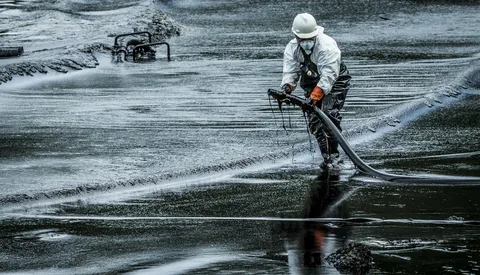
Some spills are too large or too dangerous for basic cleanup methods. Gasoline, diesel, and industrial oils may require trained professionals with specialized equipment. Large commercial spills also involve environmental regulations that must be followed carefully. Location also matters. Some businesses may search for oil spill cleanup services in San Diego, CA, when local regulations or emergency situations require experienced responders.
Professional assistance reduces safety risks while helping ensure that cleanup follows environmental requirements. Choosing the right response at the right time protects both people and surrounding property.
Preventing Oil Spills Before They Happen
The best way to deal with spills is by not having them happen. Routine checks can be helpful in ensuring that there are no leaks that can cause trouble. The vehicles, fuel storage tanks, pipelines, and machinery need to be well-maintained to avoid failures. The storage area needs to be kept clean and tidy. The containers need to be properly covered and labeled.
Simple prevention tips include:
- Inspect equipment regularly.
- Repair leaks immediately.
- Store oil in approved containers.
- Train employees on spill response.
- Keep absorbent materials nearby.
- Follow local safety regulations.
Good commercial oil spill removal Riverside, CA saves money, protects property, and reduces environmental risks. Prevention also helps businesses avoid downtime and expensive repairs after an accident.
Protecting People and the Environment Starts with the Right Response
Every oil spill deserves immediate attention because quick action limits damage and improves safety. Understanding the right cleanup methods, avoiding common mistakes, and following environmental guidelines all make a meaningful difference. In situations that require experienced assistance, companies such as JM Pressure Washers may provide support depending on local needs and regulations. Learning about cleaning oil spills today helps create safer workplaces, cleaner communities, and better environmental protection for the future.
FAQs
1. What is the first thing that needs to be done in case of an oil spill?
Safety must come first. The source of the spill must be shut off, people must be kept away, and the spill must be contained prior to cleaning up the spill.
2. Can water be used to clean up an oil spill?
No. Most times, water spreads out the oil rather than helping clean it up. Spill containment absorbent materials must be used first in order to contain the oil spill.
3. When is professional oil spill cleanup needed?
It is recommended that professional oil cleanup be done where there are dangerous fuels involved or large amounts of oil or where there is the possibility of contaminated soil and/or water bodies.
4. Why is prompt oil spill cleanup essential?
Prompt oil spill cleanup decreases environmental damages, minimizes chances of fire, eliminates slip and fall accidents, and makes oil removal easy.
5. How can future oil spills be prevented?
Routine equipment inspection, proper storage, maintenance, employee training, and spill cleanup materials are helpful in preventing future oil spills.
Find trusted local businesses in your state.
Browse the directory