

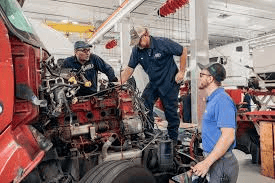
At DLR Mobile Services LLC, we provide professional diesel engines repair solutions designed to restore performance, improve efficiency, and extend engine life for heavy-duty trucks and commercial equipment. Diesel engines operate under extreme pressure, long working hours, and harsh environments, which naturally leads to wear and performance loss over time.
When an engine starts showing early warning signs, many owners delay repairs until breakdown occurs. This often leads to higher costs and longer downtime. A structured restoration process helps prevent that situation by identifying problems early and fixing them correctly the first time.
This guide explains our full diesel engine restoration process in detail, including diagnosis, disassembly, rebuilding, and final testing. You will also understand when fixing diesel engine issues is enough and when a full rebuild becomes necessary for long-term reliability.
Why Diesel Engine Restoration Is Important
Diesel engines are built for durability, but they are not immune to damage. Continuous heavy loads, overheating, contaminated fuel, and irregular maintenance gradually reduce performance.
Common long-term issues include:
- Reduced engine power
- Poor fuel efficiency
- Hard starting conditions
- Excess exhaust smoke
- Internal component wear
Ignoring these symptoms leads to major failures that require expensive repairs or full replacement. That is why diesel engine repair is essential for maintaining operational stability and avoiding unexpected downtime.
A properly restored engine can:
- Restore lost horsepower
- Improve fuel economy
- Reduce emissions
- Extend engine lifespan
- Improve overall reliability
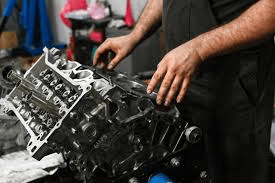
Step 1: Comprehensive Inspection and Diagnosis
Every repair begins with a detailed inspection. This step is critical because it determines the exact condition of the engine and prevents unnecessary replacements.
During inspection, we analyze:
- Engine compression levels
- Fuel system pressure and flow
- Oil condition and pressure readings
- Cooling system performance
- Exhaust smoke color and behavior
- Engine noise, vibration, and timing issues
Advanced diagnostic tools are used to identify hidden issues that are not visible externally. This helps us determine whether the engine requires minor repair work or full diesel engine rebuilding.
Accurate diagnosis is the foundation of effective diesel engine repair, ensuring the right solution is applied from the beginning.
Step 2: Repair vs Rebuild Decision Making
Not every engine requires a full overhaul. Some issues can be resolved quickly with targeted repairs.
When repair is the right option:
- Fuel injector failure
- Turbocharger malfunction
- Gasket or seal leaks
- Electrical or sensor issues
- Minor oil leakage
In these cases, focused diesel engines repair is enough to restore full performance without major downtime.
When rebuilding becomes necessary:
- Severe internal wear
- Cracked or damaged pistons
- Low compression in multiple cylinders
- Excessive oil consumption
- Crankshaft or bearing damage
Diesel engine rebuilding is a more advanced process that restores the engine close to original factory condition. It is typically recommended when damage is widespread or long-term performance restoration is needed.
Step 3: Engine Disassembly and Detailed Component Analysis
Once rebuilding is confirmed, the engine is carefully disassembled. This is a precision process where every part is removed, labeled, and inspected.
We examine:
- Pistons and piston rings
- Crankshaft and connecting rods
- Cylinder head and valves
- Fuel injectors and pump system
- Bearings, seals, and gaskets
Each component is measured and tested for wear and damage. This helps us determine which parts can be reused and which must be replaced.
Proper disassembly is essential for successful fixing diesel engine work because it ensures no hidden damage is missed.
Step 4: Deep Cleaning and Surface Preparation
Cleaning is one of the most overlooked but important parts of diesel engine restoration.
Over time, engines accumulate:
- Carbon deposits
- Oil sludge
- Dirt and metal particles
- Fuel residue
We use industrial-grade cleaning methods to fully restore component surfaces, including:
- High-pressure degreasing
- Chemical cleaning treatments
- Carbon removal systems
- Precision surface finishing
Clean components ensure proper sealing, accurate measurements, and long-term durability during reassembly. This directly improves the quality of diesel engines repair outcomes.
Step 5: Replacement of Worn or Damaged Parts
After cleaning and inspection, all worn or damaged parts are replaced with high-quality components that meet or exceed OEM standards.
Common replacements include:
- Piston rings and bearings
- Valve seals and gaskets
- Fuel injectors
- Timing components
- Oil pumps and seals
Each replacement is selected based on engine requirements and workload conditions. This ensures the engine performs efficiently under heavy stress after diesel engine rebuilding.
Replacing faulty components at the right stage prevents future breakdowns and reduces long-term maintenance costs.
Step 6: Precision Engine Reassembly
Reassembly is one of the most critical stages of the entire restoration process. Even small mistakes here can affect engine performance.
We follow strict manufacturer specifications for:
- Torque settings
- Timing alignment
- Bearing clearance
- Compression balance
Every component is installed with precision tools to ensure perfect fit and function.
Proper reassembly ensures:
- Smooth engine operation
- Balanced internal movement
- Accurate fuel combustion
- Long-term reliability
This stage determines the success of the entire diesel engines repair process.
Step 7: Final Testing and Performance Validation
Before the engine is returned to service, it undergoes full performance testing.
We perform:
- Compression testing on all cylinders
- Oil pressure monitoring
- Fuel injection calibration
- Load simulation testing
- Temperature and vibration checks
This ensures the engine performs correctly under real-world working conditions. Any irregularities are corrected before final approval.
Final testing guarantees that the diesel engine is fully restored and ready for demanding use.
Benefits of Professional Diesel Engines Repair
Professional repair and rebuilding services offer long-term advantages:
- Restored engine power and torque
- Improved fuel efficiency
- Reduced operating costs
- Lower risk of sudden breakdowns
- Extended engine lifespan
- Better emission control
A well-maintained engine not only performs better but also reduces long-term operational stress for business owners.
Mobile Diesel Repair Advantage
Modern diesel repair services are shifting toward mobility and convenience. Instead of transporting vehicles to a shop, technicians now come directly to your location.
Mobile Diesel Repair
We offer Mobile Diesel Repair services designed to minimize downtime and eliminate towing delays. Our mobile units are fully equipped to handle diagnostics, repairs, and troubleshooting on-site.
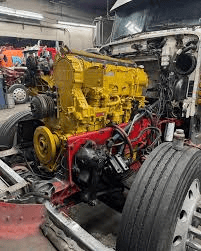
This means faster response times, reduced downtime, and immediate solutions wherever your vehicle is located.
certified mobile diesel mechanics
Our certified mobile diesel mechanics are highly trained professionals experienced in handling complex diesel engine systems in real-world conditions.
They provide:
- On-site diagnostics
- Emergency repairs
- Engine troubleshooting
- Performance testing
Their expertise ensures accurate results without requiring multiple shop visits.
diesel engines repair
Our diesel engines repair services are focused on delivering fast, reliable, and long-lasting solutions for all types of diesel engines. From minor fixes to full rebuilds, we ensure every job is completed with precision and care.
Preventive Maintenance After Restoration
After a full restoration, maintenance becomes essential to protect your investment.
Recommended practices include:
- Regular oil and filter changes
- Fuel system cleaning
- Cooling system inspections
- Early diagnostic checks
Preventive maintenance helps avoid future breakdowns and reduces long-term repair costs significantly.
Final Thoughts
Diesel engine repair is not just about fixing a problem. It is about restoring engine strength, improving performance, and ensuring long-term reliability under demanding conditions.
Whether your engine requires minor fixing diesel engine work or complete diesel engine rebuilding, early action always results in lower costs and better outcomes.
At DLR Mobile Services LLC, we focus on precision, reliability, and long-term engine health through expert diagnostics and mobile repair solutions designed to keep your operations running without interruption.
Frequently Asked Questions
1. What is diesel engine repair?
It is the process of diagnosing and fixing internal engine problems to restore performance and efficiency.
2. When is fixing diesel engine service needed?
When you notice smoke, power loss, overheating, or unusual engine noise.
3. Is diesel engine rebuilding better than repair?
Yes, rebuilding is better for severe damage, while repair is suitable for minor issues.
4. How long does diesel engine repair take?
It depends on damage level, ranging from a few hours to several days.