What Are Commercial Sand Blasters? A Complete Beginner’s Guide
Commercial sand blasting can look like a simple spray of grit against a dirty surface. In reality, it is a controlled process that combines pressure, abrasive media, equipment, and surface knowledge. A commercial sand blaster can help remove old coatings, rust, grime, scale, and surface buildup from many materials. As a result, surfaces can become cleaner and ready for repair or new coatings.
Although the whole concept can be a bit puzzling for novices, the general concept of abrasive blasting is pretty straightforward. In this case, compressed air or any other source of energy directs abrasive particles to hit the surface at very high speeds. This process affects the material and alters its surface.
What Is a Commercial Sand Blaster?
The commercial sand blaster is a type of machine that is intended for handling surface preparations that require heavier duty than the hobby machine. The commercial sand blaster can handle larger areas and longer operating times.
The important thing to note about sand blasters is that the material used does not have to be sand. There are many different types of abrasives that could be used.
How Does Commercial Sand Blasting Work?
The process of commercial sandblasting is done through the process of impact. Firstly, the air compressor builds pressure in the sandblasting machine. Secondly, the pressure transfers the abrasive media through a tube or nozzle.
For example, hard media leads to stronger effects on the surface. Soft media gives a softer cleaning effect. Thus, the success of the process depends on the correspondence between the machine and surface, not only on the pressure.
Where Are Commercial Sand Blasters Used?
A commercial sand blaster can support many surface preparation tasks. Construction crews may use blasting to clean steel, masonry, concrete, and other durable surfaces.
Manufacturing facilities can also rely on blasting for coating removal and surface preparation. Meanwhile, restoration work may involve removing layers of paint or corrosion from older structures.
In Sand Blasting CA applications, the same basic principles apply. The exact setup still depends on the material, location, and condition of the surface.
Common applications include:
- Metal cleaning: Removes rust, scale, and old coatings.
- Concrete preparation: Creates a suitable surface for certain coatings.
- Equipment restoration: Helps prepare older machinery for refinishing.
- Structural maintenance: Supports cleaning before protective coatings.
- Surface texture: Creates a controlled texture on suitable materials.
However, blasting is not suitable for every surface. Fragile materials can suffer damage when exposed to excessive impact.
What Abrasive Materials Are Used?
Commercial sand blaster have several abrasive media options to use. These materials have different properties, and therefore the media affects the outcome.
The common options are steel shot, steel grit, glass beads, garnet, or other acceptable media. Some abrasive media give aggressive cleaning, whereas others give a finer finishing.
Silica is an important material to mention. OSHA says that abrasive blasting with media containing silica creates respirable crystalline silica, which causes serious illnesses such as silicosis and lung cancer.
Pressure Sand Blasting vs. Other Blasting Methods
Pressure sand blasting uses pressure to move abrasive material toward a surface. This approach can deliver strong and consistent cleaning performance when the system matches the job. Another method involves suction or siphon systems. These systems draw abrasives into the air stream rather than storing it under pressure.
Therefore, blasting methods differ in pressure, media delivery, dust control, and surface impact. The best method depends on the material and work conditions.
What Maintenance Problems Can Affect Blasting Equipment?
A Commercial Sand Blaster depends on regular equipment care for reliable performance. Worn parts can change pressure, media flow, and cleaning results.
Several Common Sandblasting Maintenance Problems can affect performance. Worn nozzles may change the blasting pattern and increase media use. Blocked hoses can restrict flow. Damaged seals may allow pressure loss.
Moisture can also create problems inside abrasive systems. Wet media may clog passages and interrupt consistent flow. Therefore, equipment condition plays a major role in both performance and workplace safety.
How Does Safety Affect Commercial Sand Blasting?
Safety remains one of the most important parts of commercial blasting. The process can create airborne dust, loud noise, flying particles, and hazardous residues from old coatings.
Moreover, choosing expert sand blasting services can include suitable ventilation, containment, dust collection, protective clothing, eye protection, hearing protection, and approved respiratory protection when required.
What Should Beginners Know Before Choosing a Blasting Method?
A Commercial Sand Blaster is only one part of a complete surface preparation system. Beginners should understand the surface before thinking about equipment. The abrasive also affects the final texture. A stronger abrasive may remove stubborn material quickly, while a finer medium may provide more controlled surface treatment.
For larger jobs, Commercial Sandblaster CA operations may involve specialized equipment and trained personnel. Similarly, an Industrial Sandblaster may handle heavy-duty surface preparation in industrial settings.
In some situations, blasting may also work alongside a Pressure Washing Service In Anaheim CA, especially when different cleaning methods suit different parts of a surface.
Why Does Proper Surface Preparation Matter?
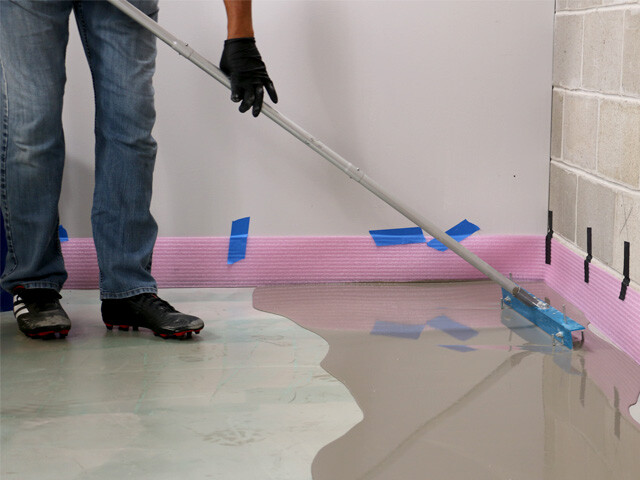
A commercial sand blaster can provide an important foundation for later repair or coating work. Removing loose rust, old coatings, and surface buildup can reveal the actual condition of a material. That visibility can help identify cracks, corrosion, weak areas, and other problems that remain hidden beneath buildup. Surface preparation also affects coating performance. Paint and protective coatings need suitable surfaces for proper adhesion. Poor preparation can lead to early coating failure. The value lies in preparation that supports the next stage rather than simply making a surface look clean.
A Clearer View of Commercial Blasting
Commercial blasting combines pressure, abrasive media, equipment, and surface knowledge into one controlled process. A commercial sand blaster can remove stubborn buildup and prepare many durable surfaces for their next purpose.
At the same time, the process requires careful attention to dust, noise, equipment condition, and worker protection. OSHA identifies abrasive blasting as a potential source of respirable silica and other airborne hazards. For property owners, facility managers, and contractors, this knowledge can make surface preparation feel far less complicated. Resources such as JM Pressure Washers may also help readers understand how blasting differs from other cleaning methods.
FAQs
1. Explain the job of a commercial sand blaster.
A commercial sand blaster works by spraying abrasive material onto a particular surface. The outcome may include the removal of rust, paint, scale, dirt, and so on.
2. Can sand blasting only be done using sand?
No, since abrasive blasting may currently be performed with other kinds of blasting materials such as glass beads, steel grit, steel shot, garnet and so forth.
3. Is commercial sand blasting safe?
Commercial blasting poses significant risk of dust and noise hazards to personnel since blasting material can produce respirable crystalline silica.
4. Which surfaces can commercial sand blasting be used on?
Commercial sand blasting can clean hard surfaces including steel, concrete, masonry, and industrial equipment but not delicate surfaces.
5. Explain the difference between blasting and pressure washing.
Pressure washing entails cleaning with pressurized water while blasting uses abrasive material to generate impact on the surface.
Find trusted local businesses in your state.
Browse the directory