How Often You Should Power Wash Your House?
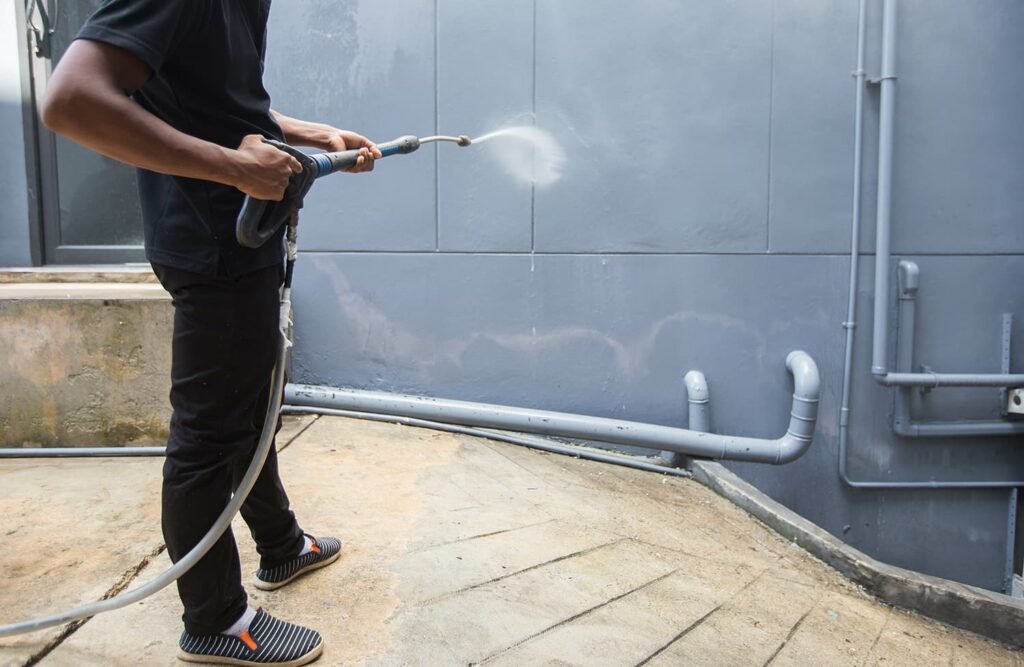
Keeping your home’s exterior clean is not only about appearances. For homeowners who want to protect siding, prevent mold, and preserve long-term value, knowing when and how to power wash house exteriors is essential. We regularly see homes that suffer avoidable damage simply because exterior cleaning was delayed or ignored. Power washing is one of the most effective preventative maintenance steps a homeowner can take when done at the right frequency and with the right approach.
Dirt, algae, mildew, pollen, and airborne pollutants accumulate gradually. Over time, these contaminants trap moisture against siding and masonry, leading to premature wear, staining, and even structural issues. Understanding how often to power wash your house allows you to balance cleanliness, surface protection, and house power washing cost without overdoing it or risking damage.
Why Power Washing Frequency Matters for Home Protection
The frequency at which you power wash your home directly impacts its durability and visual appeal. Homes exposed to humidity, shade, or pollution accumulate organic growth faster than those in dry, open environments. Mold, mildew, and algae thrive on moisture and shaded surfaces, especially on north-facing walls and areas shielded from direct sunlight.
Regular power washing removes these contaminants before they penetrate porous surfaces. When homeowners invest in expert house washing in Anaheim, CA, they are not just cleaning walls; they are preventing moisture intrusion, surface degradation, and costly repairs. A consistent schedule helps maintain siding integrity, preserve paint finishes, and uncover hidden issues such as rot or pest damage early.
Another important factor is climate. Warmer regions with seasonal pollen, coastal salt exposure, or frequent rain demand more frequent cleaning. Homes near trees or in shaded neighborhoods often require additional attention because organic debris accelerates biological growth on exterior surfaces.
How Often to Power Wash a House Based on Climate and Environment
So, how often to power wash house exteriors realistically? For most homeowners, once per year is the baseline recommendation. However, this can vary depending on environmental conditions, siding materials, and exposure to moisture. Homes in humid or coastal areas often benefit from power washing twice a year to prevent salt corrosion, algae buildup, and mildew staining.
When homeowners schedule professional pressure washing services in Riverside, CA, seasonal timing plays a key role. Spring cleaning removes pollen, winter grime, and organic residue, while fall washing eliminates mildew, leaf stains, and mold before cooler weather sets in. In shaded or wooded areas, twice-yearly cleaning may be necessary to prevent persistent biological growth.
Urban environments introduce additional challenges. Air pollution, vehicle exhaust, and industrial residue cling to siding and masonry. These contaminants not only discolor surfaces but can also degrade protective coatings over time. Regular power washing keeps these residues from bonding permanently to exterior materials.

Reliable Power Washing for Different Siding Types
Not all homes require the same approach, which is why reliable power washing matters as much as frequency. Vinyl siding, wood, brick, fiber cement, and stucco each respond differently to pressure and cleaning solutions. Using incorrect pressure levels can cause surface etching, water intrusion, or paint removal.
Homeowners seeking top-tier house washing in San Diego, CA benefit from professional assessment of siding materials before cleaning begins. Vinyl and aluminum siding typically require lower pressure and controlled water flow, while brick and concrete surfaces tolerate higher PSI when mortar joints are intact. Wood siding demands special care, as excessive pressure can damage fibers and expose raw material to moisture.
Proper power washing technique focuses on removing contaminants without compromising surface integrity. Professionals adjust pressure, nozzle selection, and cleaning agents based on surface type and condition. This tailored approach ensures consistent results while protecting the home’s exterior structure.
Seasonal Timing: Best Months to Power Wash Your House
Choosing the right time of year to power wash your house is just as important as knowing how often. Moderate temperatures prevent water from freezing or evaporating too quickly, which can affect cleaning efficiency. In most regions, spring through early fall offers ideal conditions for exterior washing.
Spring power washing removes pollen buildup, winter residue, and mold growth stimulated by moisture. Fall cleaning prepares your home for colder months by eliminating mildew, leaf stains, and organic debris that could retain moisture over winter. Avoid power washing during freezing conditions or extreme heat, as both can impact results and surface safety.
Weather conditions also matter. Calm, dry days reduce overspray, allow even drying, and improve visibility during cleaning. Windy or stormy days increase the risk of uneven results and water intrusion.
Preventing Mold, Mildew, and Long-Term Surface Damage
Mold and mildew are not just cosmetic issues. Left untreated, they can penetrate porous surfaces and cause long-term damage. Power washing removes biological growth before it establishes deeper roots within siding, masonry, or concrete.
Moisture retention is one of the biggest threats to exterior materials. Algae and mildew trap water against surfaces, accelerating deterioration. Regular power washing disrupts this cycle, allowing surfaces to dry properly and reducing the risk of rot, paint failure, and structural weakening.
In addition to protecting surfaces, power washing improves overall home hygiene. Mold spores can affect indoor air quality if exterior growth spreads into ventilation systems or wall cavities. Preventative cleaning reduces this risk and contributes to a healthier living environment.
House Power Washing Cost and Long-Term Value
Many homeowners hesitate due to concerns about house power washing cost, but regular cleaning often saves money in the long run. Preventative maintenance is significantly less expensive than repairing damaged siding, repainting exteriors, or replacing materials prematurely.
Costs vary based on home size, surface materials, and environmental exposure. Homes with heavy buildup or multiple stories may require additional time and specialized equipment. However, consistent annual or semi-annual cleaning reduces buildup, making future services quicker and more affordable.
Power washing also enhances curb appeal, which directly impacts property value. Clean exteriors create a strong first impression and signal proper maintenance to potential buyers. For homeowners planning to sell, power washing is one of the highest return-on-investment exterior improvements available.
DIY vs Professional Power Washing: Making the Right Choice
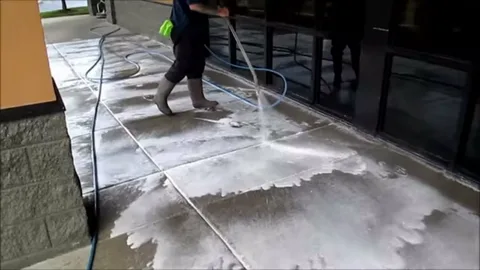
While DIY power washing may seem cost-effective, it carries risks. Incorrect pressure settings, improper angles, or lack of experience can damage siding, strip paint, or force water behind walls. Rental equipment often lacks the precision and control of professional-grade machines.
Professional services bring expertise, surface knowledge, and safety awareness. Trained technicians understand how different materials respond to pressure and adjust techniques accordingly. They also recognize early signs of damage, allowing homeowners to address issues before they escalate.
For larger homes, multi-story properties, or surfaces with existing wear, professional power washing is often the safer and more effective option. It ensures consistent results while minimizing the risk of costly mistakes.
How Regular Power Washing Fits Into Home Maintenance Planning
Power washing should be part of a broader exterior maintenance strategy. When combined with routine inspections, gutter cleaning, and minor repairs, it helps extend the lifespan of siding, paint, and structural components.
Scheduling power washing alongside seasonal maintenance simplifies planning and ensures consistent care. Homeowners who maintain a regular schedule experience fewer surprises and lower long-term maintenance costs. Clean surfaces also make it easier to spot cracks, peeling paint, or moisture issues early.
A proactive approach transforms power washing from a reactive fix into a preventive investment. Homes that receive consistent care retain their appearance and structural integrity far longer than those cleaned sporadically.
Frequently Asked Questions
How often should I power wash my house?
Most homes benefit from power washing once per year. Homes in humid, coastal, or shaded environments may require cleaning twice annually to prevent mold and mildew buildup.
Can power washing damage siding?
When done incorrectly, yes. Excessive pressure or improper technique can damage surfaces. Professional power washing adjusts pressure based on material to prevent damage.
Is power washing necessary if my house looks clean?
Yes. Contaminants such as mold spores, pollen, and pollutants may not be visible but can still cause long-term damage if left untreated.
What time of year is best to power wash a house?
Spring and fall offer ideal conditions. Avoid freezing temperatures and extreme heat to ensure safe and effective cleaning.
Find trusted local businesses in your state.
Browse the directory