Top 7 Exterior Surfaces That Need Regular Pressure Washing (And How Often)
Keeping your property clean isn’t just about appearance — it’s also about maintenance and protecting your investment. Over time, dirt, algae, mold, mildew, and environmental pollutants accumulate on outdoor surfaces. Without proper cleaning, these contaminants can cause permanent staining, deterioration, and even structural damage.
That’s why regular pressure washing is one of the most effective ways to maintain residential and commercial properties. Professional cleaning removes stubborn grime, restores curb appeal, and extends the life of exterior materials.
For property owners looking for reliable exterior cleaning services, JM Pressure Washers offers professional pressure washing solutions designed to safely clean and protect different types of outdoor surfaces.
In this guide, we’ll explore the top 7 exterior surfaces that require routine pressure washing and how often each one should be cleaned.
1. Driveways
Driveways are one of the most heavily used surfaces on any property. Vehicles bring oil leaks, tire marks, dirt, and road debris that quickly build up over time.
Concrete and asphalt driveways are also susceptible to mold, mildew, and algae growth — especially in shaded areas.
Regular driveway pressure washing helps remove:
- Oil stains
- Grease buildup
- Tire marks
- Mold and algae
- Dirt and dust accumulation
Without proper cleaning, these contaminants can penetrate the surface and cause long-term discoloration.
Recommended cleaning frequency:
At least once or twice per year for most homes. High-traffic areas may benefit from more frequent power washing services.
2. Home Siding
Your home’s siding is constantly exposed to rain, dust, pollution, pollen, and organic growth. Over time, this buildup can make even a well-maintained home look dull and neglected.
Different siding materials such as vinyl, wood, stucco, and fiber cement require careful cleaning techniques. Professional house washing services use the correct pressure levels and cleaning solutions to avoid damage.
Routine exterior pressure washing helps:
- Remove algae and mildew
- Prevent mold growth
- Restore the original color of siding
- Improve curb appeal
Recommended cleaning frequency:
Most homes should have siding cleaned once a year, though humid climates may require cleaning every 6–8 months.
3. Decks and Patios
Outdoor living spaces like decks and patios are perfect for relaxing or entertaining guests, but they’re also exposed to dirt, food spills, moisture, and foot traffic.
Wood decks are particularly vulnerable to mold, mildew, and rot when grime and moisture accumulate.
Regular deck pressure washing helps:
- Remove mold and mildew
- Eliminate slippery algae
- Restore wood or stone appearance
- Prepare surfaces for sealing or staining
Professional cleaners often use soft washing techniques for delicate materials to prevent damage while still delivering deep cleaning.
Recommended cleaning frequency:
Decks and patios should be professionally cleaned once a year, ideally before resealing or staining.
4. Roofs
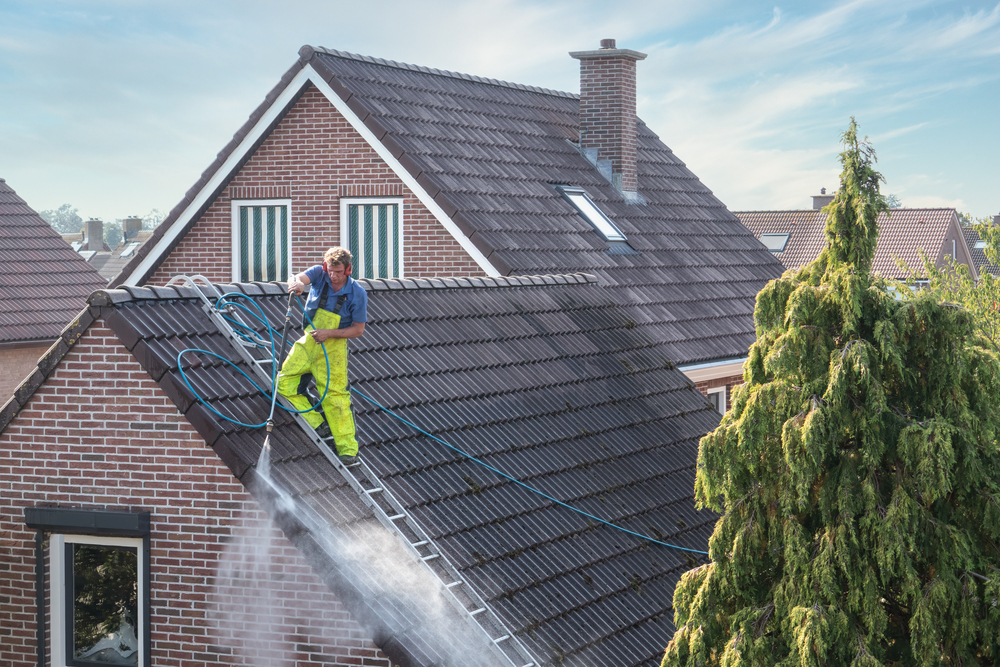
Roofs often develop black streaks caused by algae growth, along with moss and lichen buildup. Besides being unsightly, these contaminants can slowly degrade roofing materials.
Traditional high-pressure washing isn’t always suitable for roofs. Instead, professionals typically use soft washing, which combines low pressure with specialized cleaning solutions.
Roof cleaning through safe pressure washing methods helps:
- Remove algae stains
- Prevent moss damage
- Extend roof lifespan
- Improve overall home appearance
Recommended cleaning frequency:
Most roofs benefit from cleaning every 2–3 years, depending on climate and surrounding vegetation.
5. Sidewalks and Walkways
Sidewalks and walkways are highly visible areas that impact the first impression of your property. Dirt, gum, algae, and mildew can accumulate quickly, especially in areas with heavy foot traffic.
Besides looking unattractive, algae and mold can also create slippery conditions that pose safety risks.
Professional sidewalk pressure washing can:
- Remove grime and stains
- Improve safety by eliminating slippery buildup
- Enhance property appearance
- Maintain concrete longevity
Recommended cleaning frequency:
Sidewalks and walkways should be cleaned once or twice per year, or more frequently for commercial properties.
6. Fences
Fences made from wood, vinyl, or composite materials are exposed to weather conditions year-round. Over time, they collect dirt, algae, mildew, and discoloration.
Regular fence pressure washing helps preserve the material and restore its original appearance.
Cleaning fences can:
- Remove mold and mildew
- Prevent wood decay
- Restore brightness to vinyl fencing
- Prepare surfaces for painting or staining
Proper pressure settings are essential to avoid damaging wood or loosening fence components.
Recommended cleaning frequency:
Most fences benefit from cleaning once every 12–18 months.
7. Garage Doors
Garage doors are often overlooked when it comes to exterior cleaning. However, they are one of the most visible parts of a home’s facade.
Dust, cobwebs, vehicle exhaust residue, and weather exposure can make garage doors appear dirty and aged.
Routine pressure washing services help keep garage doors looking clean and well maintained.
Benefits include:
- Removing dirt and debris
- Preventing staining
- Maintaining paint or finish quality
- Improving curb appeal
Recommended cleaning frequency:
Garage doors should be cleaned once per year, or more often if exposed to heavy dust or pollution.
Why Professional Pressure Washing Matters
While some homeowners attempt DIY cleaning, professional pressure washing services provide better and safer results. Experts understand the correct pressure levels, cleaning agents, and techniques required for each surface type.
Hiring professionals helps prevent:
- Surface damage from excessive pressure
- Streaking or uneven cleaning
- Water intrusion into structures
- Ineffective removal of mold and mildew
If you’re looking for reliable exterior cleaning, JM Pressure Washers offers expert pressure washing solutions designed to protect and restore residential and commercial properties. Their professional equipment and trained technicians ensure safe and effective cleaning for a variety of outdoor surfaces.
FAQs
1. How often should pressure washing be done for a house?
Most homes benefit from annual pressure washing, although areas with high humidity or heavy pollution may require cleaning twice per year.
2. Is pressure washing safe for all surfaces?
Not all surfaces can handle high pressure. Professionals often use soft washing for delicate areas such as roofs, siding, and painted surfaces.
3. What is the difference between pressure washing and power washing?
Both methods use high-pressure water, but power washing typically includes heated water for tougher stains and grease removal.
4. Can pressure washing increase property value?
Yes. Clean exterior surfaces improve curb appeal, which can increase property value and attract potential buyers.
5. Does pressure washing remove mold and mildew?
Yes. Professional pressure washing combined with specialized cleaning solutions can effectively eliminate mold, mildew, and algae.
6. Is DIY pressure washing recommended?
DIY pressure washing can be risky if incorrect pressure levels are used. Hiring professionals helps avoid accidental damage.
7. How long does a typical pressure washing service take?
The time depends on property size and the number of surfaces being cleaned, but most residential jobs take a few hours to one day.
8. What time of year is best for pressure washing?
Spring and early summer are typically the best times for pressure washing because they remove dirt, pollen, and mildew that accumulate during winter. However, pressure washing can be done any time of year as long as weather conditions are suitable and temperatures are above freezing.
Find trusted local businesses in your state.
Browse the directory