
Buying an electric vehicle can make daily driving feel simpler and quieter. However, home charging can feel confusing at first. The right EV Chargers setup can turn charging into an easy part of each day. Most drivers simply plug in after arriving home and start the next morning with a full battery. Level 2 home charging can add far more range than a standard wall outlet. EnergySage reports that Level 2 units can add up to about 60 miles of range per hour.
Still, every home has different needs. The best choice depends on the vehicle, electrical panel, charging speed, connector, and installation location. Some drivers need a simple charger, while others want smart controls and energy tracking. Therefore, the goal is not finding one perfect model. The goal is finding a charger that fits daily driving habits and the home’s electrical setup.
1. Start With Level 2 Home Charging
Level 2 charging uses a 208- or 240-volt electrical supply. It offers a major speed increase over a basic household outlet. As a result, many EV owners can charge overnight without waiting all day. A standard outlet may add only around three to five miles of range each hour. In contrast, a Level 2 unit can provide much more range during the same period.
The best EV charger should match the car’s onboard charging ability. A higher-rated charger does not always mean faster charging. The vehicle may limit how much power it can accept. A good home setup can also make daily driving feel less stressful. The battery can recharge while the car sits at home. Therefore, charging becomes part of a normal routine instead of another trip to a public station.
Important factors include:
- Available electrical capacity
- Vehicle charging rate
- Connector type
- Indoor or outdoor location
- Cable length
- Smart charging features
These details matter more than flashy marketing claims. A well-matched charger can provide useful speed without adding unnecessary cost or complexity.
2. ChargePoint Home Flex: A Flexible Choice
ChargePoint Home Flex remains a strong option for drivers who want adjustable charging power. The unit supports charging settings from 16 amps through 50 amps. It can also work with both J1772 and NACS versions.
That flexibility can help homes with different electrical limits. For example, the charger can operate at lower settings when the electrical panel has limited capacity. Higher settings can provide more charging speed when the home supports them. The vehicle’s onboard charger still controls how much power the car can accept. Therefore, matching the charger and vehicle matters.
3. Tesla Wall Connector and Universal Options
Tesla drivers often look for a charger that fits naturally with their vehicle. Tesla’s Wall Connector remains a well-known home charging option. However, connector compatibility deserves attention in 2026. That makes connector choice an important part of any purchase. A charger that matches the vehicle directly can reduce the need for extra adapters.
The electric car charger for home should also fit the planned installation location. Cable reach matters when the parking spot sits away from the wall. For households expecting to own different EV brands, flexibility can have lasting value. A charger that supports future vehicles may remain useful for many years.
4. Emporia: Smart Energy Tracking
Emporia offers Level 2 home charging with a strong focus on energy monitoring. That makes Emporia interesting for households that want more insight into electricity use. The app can show charging data and help schedule charging times.
Drivers can compare charging times with their utility rates and make better choices. The best home ev charger for a particular household may therefore depend on more than speed. Energy data can provide another layer of control. For drivers who enjoy tracking household energy, the extra data can make charging easier to understand. The result is a more informed approach to home electricity use.
5. Wallbox Pulsar Plus for Compact Spaces
Wallbox Pulsar Plus stands out for its compact design. The charger supports both 40-amp and 48-amp versions. The 48-amp model can deliver up to 11.5 kW under suitable conditions.
Its smaller body can work well where wall space is limited. The unit also supports Wi-Fi and Bluetooth connections. Its app provides access to charging information and controls. That combination can appeal to drivers who want smart features without a large wall-mounted unit.
However, the climate deserves attention. EnergySage notes that the Pulsar Plus charging cable can become difficult to handle in very cold conditions. Therefore, location and weather can influence whether this model feels convenient year-round. An EV Chargers setup should always balance speed, size, cable handling, and environmental conditions. A compact charger can look attractive, but daily use matters more than appearance.
Wallbox also supports power-sharing features on compatible setups. That can help households with more than one EV. Meanwhile, EV car charger installation San Bernardino, CA can involve its own permitting and electrical considerations.
6. Grizzl-E for Tough Outdoor Conditions
Some homes need a charger that can handle demanding outdoor environments. Grizzl-E models are often considered for their durable enclosure and outdoor-friendly design. This matters because charging equipment can face heat, cold, moisture, dust, and daily handling. A suitable enclosure can help protect the equipment over time. Likewise, Home EV charger installation Yucaipa, CA may depend on the home’s panel, parking layout, and local electrical requirements.
The EV Chargers market includes many models with similar power ratings. Therefore, durability can become an important deciding factor when two chargers offer similar charging speeds. Drivers should also consider cable length and connector type. A longer cable may make parking easier, especially when the vehicle’s charging port sits in an unusual location.
7. Installation Can Matter More Than the Charger
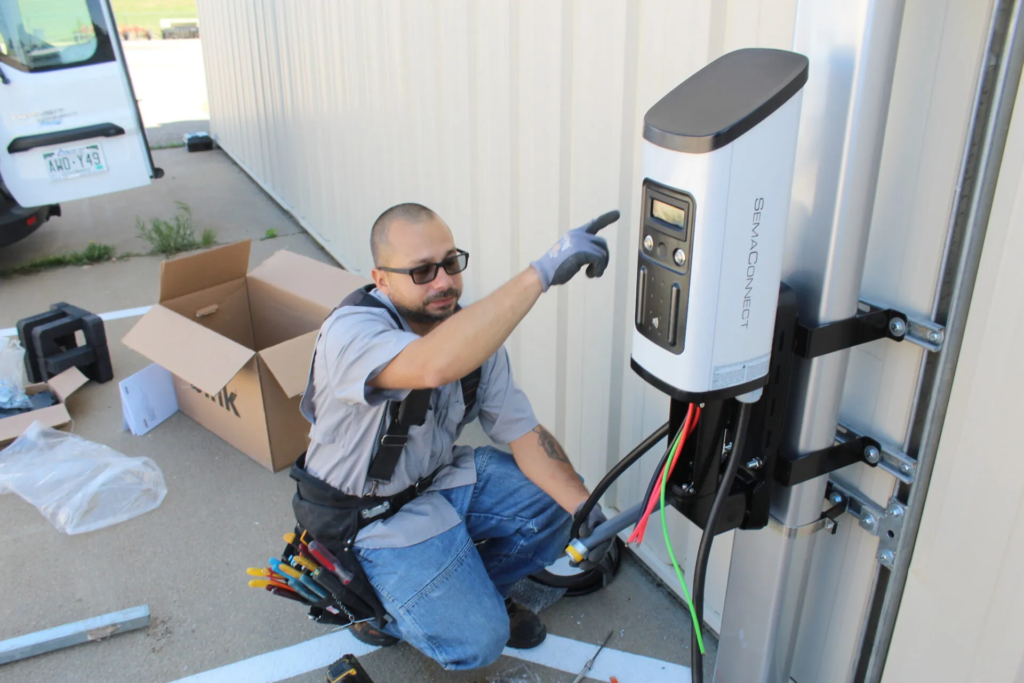
Even the best-rated charger cannot perform properly without a suitable electrical connection. Level 2 home charging commonly requires a dedicated circuit. The exact circuit size depends on the charger’s power setting.
Local installation needs can also vary. For example, Commercial EV charger installation Rancho Cucamonga, CA may involve different site requirements than a typical home setup. These examples show why installation is part of the buying decision. The charger itself represents only one part of the complete system.
A properly sized circuit can support reliable charging and reduce unnecessary electrical strain. Professional electrical evaluation also helps identify panel limitations before equipment is installed.
8. How the Top Chargers Compare in 2026
Choosing among popular models becomes easier when the main differences appear side by side. Current expert testing and manufacturer specifications point to several strong choices. The table shows an important point. No single model wins every category. A driver who wants energy data may prefer Emporia. Someone seeking adjustable power may favor ChargePoint. A compact installation may make Wallbox appealing.
Meanwhile, Tesla owners may value the direct connection offered by the Wall Connector. Car and Driver also names Emporia models among its top tested home charging choices for 2026. Therefore, the smartest purchase starts with personal charging needs. Price matters, but compatibility, electrical capacity, cable reach, and daily use matter too.
Finding the Right Fit for Everyday Charging
The right charger can make EV ownership feel almost effortless. The car returns home, the cable connects, and charging happens during normal downtime. Still, a strong choice requires attention to the complete setup. The EV Chargers available in 2026 offer more flexibility than earlier home charging options. NACS support is also becoming more important as the U.S. The EV market evolves. For homeowners, the goal remains simple. Choose equipment that fits the vehicle and electrical system without paying for features that rarely matter. For local electrical planning, information from Todd Peters Electric can also provide useful context about residential charging needs.
FAQs
1. What is the best EV charger for most homes?
There is no single winner for every home. ChargePoint Home Flex, Emporia, Wallbox, Grizzl-E, and Tesla models each suit different needs.
2. Is Level 2 charging better than a regular wall outlet?
Level 2 charging usually provides much faster charging than a standard outlet. A regular outlet may add only three to five miles of range per hour.
3. Does a faster charger always charge an EV faster?
No. The vehicle’s onboard charger controls how much power it can accept. Therefore, installing a higher-rated charger does not guarantee faster charging.
4. Should an EV charger be hardwired?
Hardwiring can support higher charging levels on compatible models. It can also suit outdoor installations well. However, plug-in chargers may offer easier replacement or relocation.
5. Does connector type matter when buying a home charger?
Yes. Connector compatibility matters because EVs can use different charging connections. NACS and J1772 remain important in the U.S. market.
