Power outages can happen at any time. Severe weather, grid failures, equipment issues, or accidents can leave your home without electricity for hours or even days. A Backup Generator provides a dependable solution by supplying electricity when your main power source fails. It protects your family, keeps essential appliances running, and helps prevent costly damage caused by prolonged outages.
Many homeowners ask how backup generators work, especially before investing in one. Understanding the process helps you choose the right system and maintain it properly for years of reliable performance. In this guide, Todd Peters Electric explains how does backup generator work, the components involved, the benefits of standby systems, and why professional installation and maintenance are essential.
What Is a Backup Generator?
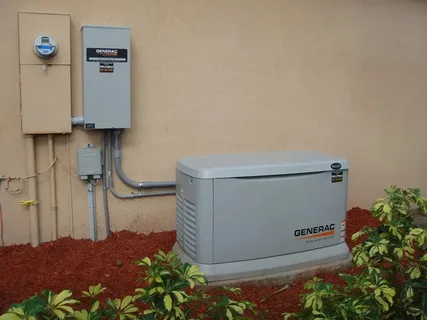
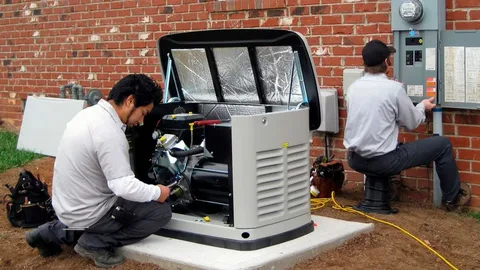
A Backup Generator is a standby power system designed to automatically restore electricity when utility power is interrupted. Unlike portable generators, standby generators remain permanently installed outside your home and connect directly to your electrical system.
These systems are powered by natural gas or propane and can operate for extended periods without constant refueling. Once utility power returns, the generator safely shuts down and transfers your home back to the electrical grid.
For homeowners who rely on uninterrupted power for heating, cooling, refrigeration, medical devices, or home offices, a Backup Generator offers peace of mind throughout every season.
How Do Backup Generators Work?
One of the most common questions homeowners ask is how do backup generators work. The process is surprisingly efficient and almost entirely automatic.
Here’s how it works:
1. Continuous Power Monitoring
The generator continuously monitors the incoming utility power through an automatic transfer switch.
2. Detecting a Power Failure
When the transfer switch senses a power outage, it immediately signals the generator to start. This typically happens within seconds.
3. Engine Starts Automatically
The generator engine starts using either natural gas or propane. As the engine runs, it powers an alternator that generates electricity for your home.
4. Automatic Transfer of Electrical Load
The automatic transfer switch disconnects your home from the utility grid and safely connects it to the generator. This prevents dangerous backfeeding and protects utility workers.
5. Restoring Household Power
Electricity flows through your home’s electrical panel, supplying power to selected circuits or the entire house, depending on your generator size.
6. Returning to Utility Power
Once utility service is restored and remains stable, the transfer switch reconnects your home to the electrical grid. The generator runs briefly to cool down before shutting off automatically.
This seamless process explains how does backup generator work without requiring homeowner intervention.
Main Components of a Backup Generator
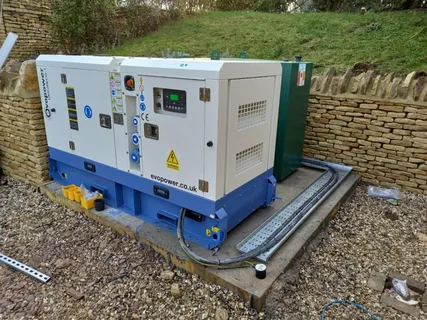
To better understand backup generators work, it’s helpful to know the primary parts that make the system function.
Engine
The engine converts fuel into mechanical energy. It serves as the heart of every Backup Generator.
Alternator
The alternator converts mechanical energy into electrical power that supplies your home.
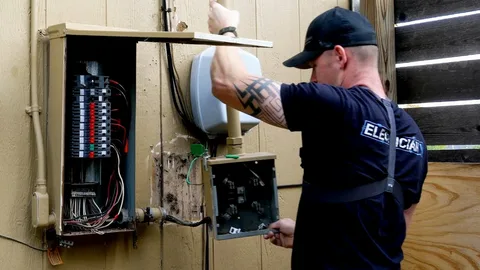
Automatic Transfer Switch
This device safely switches power between the utility company and your generator during an outage.
Fuel System
Most residential standby generators use natural gas or propane because these fuel sources provide long-lasting, reliable operation.
Control Panel
Modern generators feature intelligent control panels that monitor performance, schedule self-tests, display maintenance alerts, and report system status.
Battery
A dedicated battery starts the generator engine automatically whenever utility power fails.
Why Homeowners Choose a Backup Generator
Installing a Backup Generator offers more than convenience. It provides protection for your family, home, and valuable electronics.
Benefits include:
- Automatic power restoration
- Continuous heating and cooling
- Protection for refrigerators and freezers
- Reliable operation for medical equipment
- Safe lighting during emergencies
- Reduced risk of frozen pipes
- Protection for home security systems
- Increased property value
- Greater peace of mind during storms
Unlike portable generators, standby systems require no manual setup once professionally installed.
Do Backup Generators Power the Entire House?
Whether backup generators work for your entire home depends on the generator’s capacity.
Some homeowners choose whole-house generators capable of powering every electrical circuit. Others select essential circuit systems that prioritize:
- Refrigerators
- HVAC systems
- Kitchen appliances
- Well pumps
- Lighting
- Garage doors
- Medical equipment
- Internet equipment
A professional load calculation helps determine the right generator size for your home’s electrical demands.
Fuel Options for Backup Generators
Choosing the right fuel source affects reliability, maintenance, and operating costs.
Natural Gas
Natural gas is one of the most popular choices because it offers a continuous fuel supply through municipal utility lines.
Propane
Propane generators are ideal for homes without natural gas service. Large storage tanks allow extended generator operation during prolonged outages.
Both fuel types deliver dependable performance when installed by experienced electricians.
Professional Installation Matters
Although many homeowners understand how do backup generators work, proper installation requires specialized electrical knowledge.
Professional installation includes:
- Electrical load calculations
- Generator sizing
- Transfer switch installation
- Fuel system coordination
- Code-compliant electrical wiring
- Safety testing
- Final performance verification
If you’re planning to improve your home’s emergency preparedness, experienced electricians providing Backup Generator Installation in San Bernardino, CA can evaluate your property’s electrical requirements, recommend the correct generator capacity, and ensure every component is installed safely for dependable long-term operation.
Routine Maintenance Keeps Your Generator Ready
Even though standby generators automatically perform self-tests, regular maintenance remains essential.
Routine service includes:
- Oil changes
- Filter replacement
- Battery inspection
- Coolant checks
- Fuel system inspection
- Spark plug replacement
- Electrical connection testing
- Transfer switch inspection
Scheduling professional Backup Generator Maintenance in Yucaipa, CA helps ensure your standby system remains reliable, starts immediately during unexpected outages, and continues delivering dependable performance year after year without unnecessary breakdowns.
When Should You Replace a Backup Generator?
Like any mechanical system, generators eventually reach the end of their service life.
Signs replacement may be necessary include:
- Frequent repair costs
- Starting problems
- Engine wear
- Reduced power output
- Outdated technology
- Excessive fuel consumption
- Corrosion or structural damage
If your older generator struggles to meet your home’s electrical needs, investing in professional Backup Generator Replacement in Highlands, CA allows homeowners to upgrade to newer, more fuel-efficient systems that offer improved safety features, quieter operation, advanced monitoring technology, and greater reliability during extended power outages.
Choosing the Right Backup Generator
Selecting the best Backup Generator depends on several important factors.
Consider:
- Home size
- Total electrical load
- Fuel availability
- Budget
- Local electrical codes
- Desired runtime
- Noise level
- Future expansion plans
Working with experienced professionals ensures your generator matches both your current and future power requirements.
Final Thoughts
Understanding how do backup generators work gives homeowners confidence when investing in reliable emergency power. Once utility electricity fails, the generator automatically detects the outage, starts within seconds, transfers power safely, and keeps essential systems operating until utility service returns.
Knowing how does backup generator work also highlights the importance of professional installation, routine maintenance, and timely replacement. Whether protecting your family during severe storms or maintaining business continuity from home, a properly installed Backup Generator provides dependable performance when you need it most.
At Todd Peters Electric, homeowners receive expert guidance, professional installation, dependable maintenance, and reliable generator solutions designed to keep homes powered safely through every outage.
Frequently Asked Questions
How do backup generators work automatically?
Backup generators work by constantly monitoring utility power. When an outage occurs, the automatic transfer switch signals the generator to start, transfers electrical power to your home, and restores utility service once power returns.
How does backup generator work without manual operation?
The generator uses an automatic transfer switch and onboard controller to detect outages, start the engine, generate electricity, and safely transfer electrical loads without homeowner involvement.
Can a Backup Generator power my entire house?
Yes. A properly sized Backup Generator can power an entire home or selected essential circuits depending on your electrical requirements and generator capacity.
How often should a Backup Generator be serviced?
Most manufacturers recommend professional maintenance at least once a year or after a specified number of operating hours to ensure reliable performance.
What fuel is best for a Backup Generator?
Natural gas and propane are the most common fuel choices. The best option depends on fuel availability, property location, and your home’s energy needs.
How long does a Backup Generator last?
With proper installation and routine maintenance, a quality Backup Generator can provide reliable service for 20 years or more, depending on usage and operating conditions.