A damaged sewer line can quickly turn into a costly and stressful plumbing emergency. Slow drains, unpleasant odors, soggy patches in your yard, and recurring backups are all warning signs that your underground plumbing system needs attention. Knowing the basics of Sewer Repair helps homeowners understand the process, recognize early warning signs, and make informed decisions before the damage becomes severe.
At Royal Plumbing Service, we believe that understanding your plumbing system can help you avoid unnecessary expenses and protect your property. In this guide, you’ll learn the five essential steps involved in repairing a damaged sewer line, common causes of failure, and when professional assistance is the safest option.
What Is Sewer Repair?
Sewer Repair is the process of identifying, fixing, or replacing damaged sections of an underground sewer system that carries wastewater away from your home. Depending on the severity of the damage, repairs may involve sealing small cracks, replacing broken pipe sections, or installing an entirely new sewer line.
Modern plumbing technology has made many repairs less invasive than traditional excavation, allowing professionals to restore your plumbing system while minimizing disruption to your landscaping.
Why Do Sewer Lines Get Damaged?
Understanding Why Do Sewer Lines Get Damaged is the first step toward preventing expensive plumbing failures. Sewer pipes experience years of constant use while remaining hidden beneath the ground, making them vulnerable to several environmental and structural issues.
Common causes include:
- Tree roots invading pipe joints
- Aging or deteriorating pipe materials
- Ground shifting and soil movement
- Heavy vehicle traffic above underground pipes
- Corrosion inside older metal pipes
- Grease, wipes, and debris creating severe blockages
- Poor installation or improper pipe slope
Regular inspections help detect these issues before they become major plumbing emergencies.
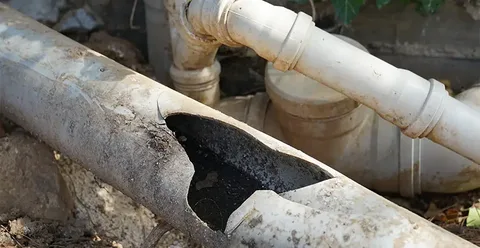
Signs You May Need Sewer Line Repair
Early detection can save thousands of dollars in restoration costs. You may need sewer line repair if you notice:
- Multiple drains clogging at the same time
- Water backing up into tubs or showers
- Sewage odors inside or outside your home
- Wet or unusually green patches in the yard
- Gurgling sounds from toilets or drains
- Frequent drain blockages despite cleaning
Ignoring these symptoms often leads to worsening pipe damage and larger repair bills.
Step 1: Inspect the Sewer Line
Every successful repair sewer line project begins with an accurate inspection.
Professional plumbers use advanced sewer camera technology to inspect the inside of underground pipes without unnecessary digging. The camera identifies:
- Cracks
- Pipe collapse
- Root intrusion
- Offset joints
- Heavy blockages
- Corrosion
A detailed inspection ensures the correct repair method is selected while avoiding unnecessary excavation.
Step 2: Locate the Exact Problem
After the inspection, technicians pinpoint the damaged section.
Not every sewer issue requires replacing the entire line. Sometimes only a short section needs repair.
Accurate location helps reduce:
- Digging costs
- Landscape damage
- Repair time
- Labor expenses
Homeowners often save money because only the affected portion receives attention.
Step 3: Remove the Blockage or Damage
The next stage depends on what caused the problem.
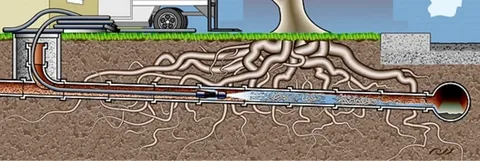
If roots have entered the pipe, specialized cutting equipment removes them safely.
If grease or debris caused the blockage, hydro jetting can thoroughly clean the inside of the pipe using high-pressure water.
When pipes are cracked or collapsed, damaged sections must be removed before restoration begins.
This preparation creates a stable foundation for long-lasting sewer line repair.
Step 4: Complete the Repair Sewer Line Process
Once the damaged section is prepared, plumbers begin the actual repair sewer line work.
Depending on the situation, professionals may use:
Spot Repairs
Ideal for isolated cracks or breaks.
Pipe Relining
A durable liner is inserted into the existing pipe, creating a new pipe inside the old one.
Pipe Bursting
The damaged pipe is broken apart while a new pipe replaces it underground.
Traditional Excavation
Sometimes excavation remains necessary when pipes have completely collapsed or suffered extensive damage.
The best repair method depends on pipe condition, location, and overall system health.
Step 5: Test the Entire Sewer System
After repairs are complete, professionals perform another camera inspection to verify everything is functioning properly.
Testing confirms:
- Proper wastewater flow
- Leak-free joints
- Correct pipe alignment
- Complete blockage removal
This final inspection ensures the Sewer Repair delivers reliable long-term performance.
Prevent Future Sewer Problems
Routine maintenance significantly extends the lifespan of underground plumbing systems.
Helpful maintenance tips include:
- Never flush wipes or hygiene products
- Avoid pouring grease down kitchen drains
- Schedule routine sewer camera inspections
- Remove nearby invasive tree roots
- Repair minor plumbing issues promptly
- Install root barriers where necessary
Preventive care reduces emergency plumbing repairs and protects your home’s foundation.
Modern Methods for Sewer Line Repair
Today’s plumbing industry offers several advanced repair techniques.
Trenchless Repairs
Minimal digging, faster installation, and less property damage make trenchless technology increasingly popular.
Pipe Relining
Creates a seamless interior pipe that resists corrosion and root intrusion.
Pipe Bursting
Replaces aging pipes while avoiding large trenches across your yard.
Traditional Excavation
Still recommended for severely damaged or collapsed sewer systems.
Professional plumbers evaluate every situation individually before recommending the most suitable solution.
When Should You Replace Instead of Repair?
Although many issues can be repaired, replacement becomes the better investment when:
- Pipes repeatedly fail
- Large sections have collapsed
- Severe corrosion exists
- Multiple repairs have already been completed
- The sewer system has reached the end of its service life
A professional inspection helps determine whether repair sewer line work or full replacement provides better long-term value.
Why Professional Plumbing Matters
Attempting DIY sewer work can create additional damage and expensive code violations.
Professional plumbers provide:
- Accurate diagnostics
- Specialized inspection equipment
- Safe excavation practices
- Long-lasting repair solutions
- Compliance with local plumbing regulations
Working with experienced technicians ensures your plumbing system operates efficiently for years.
Protect Your Property with Professional Sewer Services
Property owners facing underground plumbing issues often benefit from specialized local expertise. If your plumbing system shows signs of aging, recurring leaks, or hidden underground damage, professional Underground Sewer Repair in Hayward, CA provides advanced diagnostic equipment, durable repair methods, and long-lasting solutions that minimize property disruption while restoring reliable wastewater flow.
Consider Replacement When Damage Is Extensive
Sometimes repairs alone are no longer cost-effective. Homes with severely deteriorated pipes, frequent backups, or aging sewer infrastructure may require a complete system upgrade. Professional Sewer Line Replacement in Palo Alto, CA helps homeowners install modern piping materials designed for improved durability, increased efficiency, and decades of dependable underground plumbing performance.
Prevent Costly Backups Before They Become Emergencies
Recurring drain overflows and wastewater backups often indicate hidden sewer line problems that require immediate attention. Scheduling professional Sewer Line Backup Solutions in Union City, CA can identify underlying blockages, root intrusion, damaged piping, and drainage issues before they develop into expensive plumbing emergencies or property damage.
Why Choose Royal Plumbing Service?
Royal Plumbing Service combines industry expertise, modern diagnostic technology, and dependable workmanship to deliver lasting plumbing solutions. Whether your home requires a minor repair, advanced inspection, trenchless restoration, or complete sewer replacement, our experienced team focuses on quality craftsmanship and long-term system reliability.
Our goal is simple: restore your plumbing quickly while protecting your property and your investment.
Conclusion
Understanding How to Repair Your Sewer Line in 5 Easy Steps helps homeowners recognize problems early and make smarter decisions when plumbing issues arise. From inspection and diagnosis to professional sewer line repair and final testing, every stage plays an important role in restoring a healthy plumbing system.
If you notice slow drains, sewage odors, recurring backups, or wet areas in your yard, don’t delay. Prompt Sewer Repair not only protects your home but also prevents more expensive structural and plumbing damage in the future.
Frequently Asked Questions
What are the common signs that I need Sewer Repair?
Common warning signs include multiple clogged drains, sewage odors, slow drainage, gurgling toilets, wet patches in your yard, and wastewater backing up into sinks or tubs.
Why Do Sewer Lines Get Damaged over Time?
The most common causes include tree root intrusion, aging pipes, corrosion, soil movement, heavy loads above the pipe, grease buildup, and improper installation.
How long does sewer line repair usually take?
Most standard sewer line repair projects can be completed within one day, while larger repairs or complete replacements may require several days depending on the damage.
Can every damaged pipe be repaired?
No. Minor cracks and isolated damage can often be repaired, but severely collapsed, corroded, or deteriorated pipes may require full replacement.
Is trenchless repair sewer line technology better?
Trenchless methods are often faster, require less digging, preserve landscaping, and provide durable long-term results when the existing pipe qualifies for this repair method.
How can I reduce the risk of future sewer line problems?
Schedule routine inspections, avoid flushing wipes or grease, address plumbing issues quickly, and maintain trees growing near underground sewer pipes to help prevent future damage.