
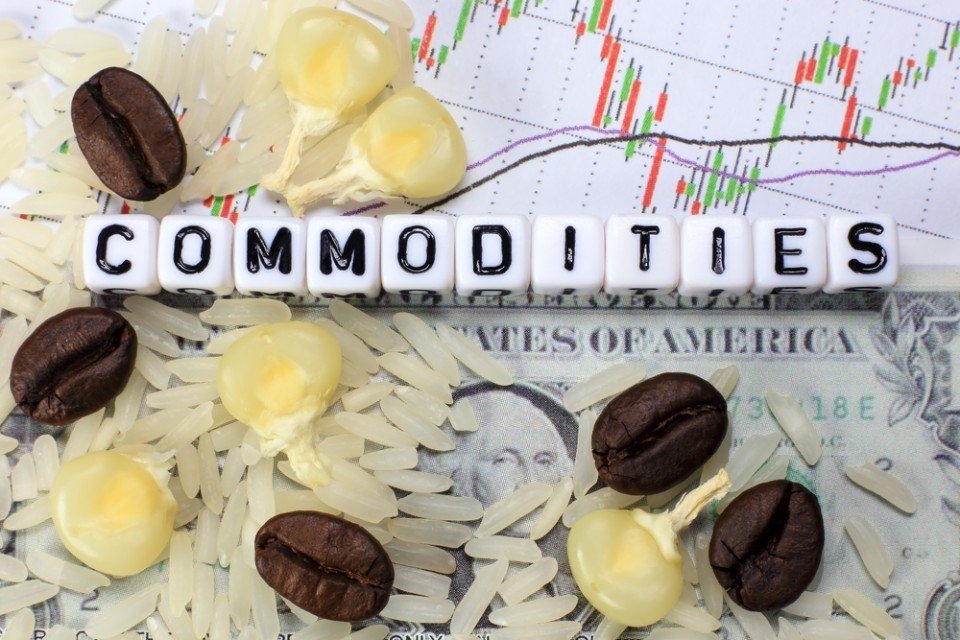
Learning how to buy commodities is becoming increasingly popular among investors looking to diversify their portfolios and protect against inflation. Commodities can provide an alternative investment opportunity outside of traditional stocks and bonds while helping investors spread risk across different asset classes.
If you are wondering how to invest in commodities, this beginner-friendly guide from Willie Johnson’s KountryBoiFinance explains the different types of commodities, investment methods, benefits, risks, and the best ways to get started. Learning how to buy commodities is essential for anyone starting in investment markets.
What Are Commodities?
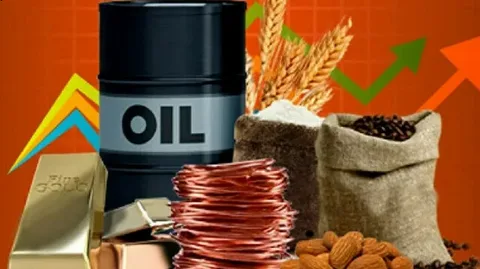
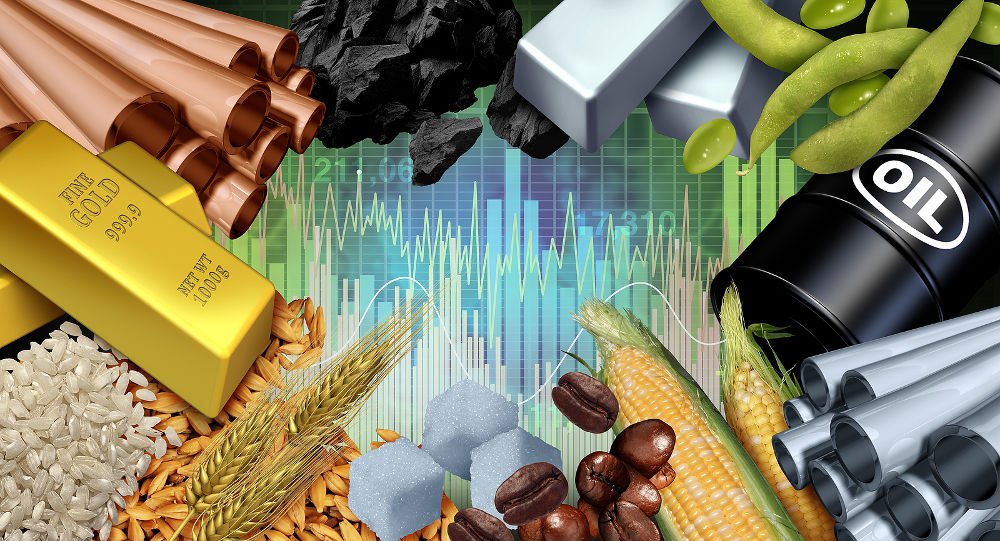
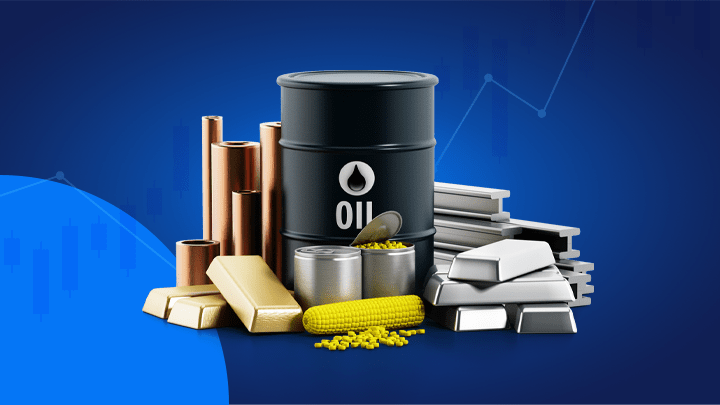
Commodities are raw materials or agricultural products used to produce goods and services. These assets are typically divided into two major categories. Many beginners struggle with how to buy commodities because they don’t understand the different investment methods.
Hard Commodities
Hard commodities are natural resources that are mined or extracted.
Examples include:
- Gold
- Silver
- Oil
- Natural gas
- Platinum
These commodities are often used as inflation hedges and long-term investment assets.
Soft Commodities
Soft commodities are agricultural products or goods that are grown and consumed.
Examples include:
- Wheat
- Coffee
- Corn
- Sugar
- Cotton
Because weather conditions and global demand affect supply, soft commodities can experience significant price fluctuations.
Why Investors Buy Commodities
Many investors explore how to invest in commodities because commodities can provide several financial benefits. Understanding how to buy commodities helps investors choose between ETFs, futures, and physical assets.
Inflation Protection
Commodity prices often rise during inflationary periods, helping preserve purchasing power.
Portfolio Diversification
Adding commodities creates variety beyond traditional investments like stocks and bonds.
Global Demand Opportunities
As global populations grow, demand for energy, food, and raw materials continues increasing.
Different Ways to Buy Commodities
There are several methods investors can use when learning how to buy commodities.
Physical Commodities
One option is purchasing actual physical assets.
Examples of Physical Commodities
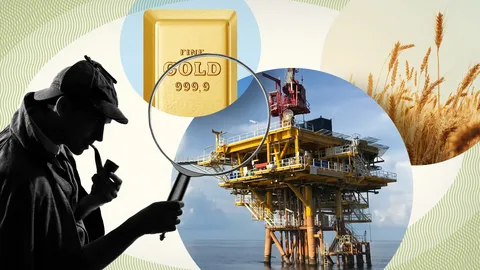
Physical Commodities may include:
- Gold bars or coins
- Silver bullion
- Agricultural products
- Precious metals
Advantages of Physical Commodities
Owning physical assets gives direct control over the investment.
Some investors prefer tangible assets because they feel more secure during economic uncertainty. A proper guide on how to buy commodities reduces risk and improves long-term investment decisions.
Challenges of Physical Commodities
However, Physical Commodities can create several problems:
- Storage requirements
- Insurance costs
- Transportation issues
- Difficulty selling quickly
For example, storing large quantities of agricultural goods is impractical for most investors.
Because of these challenges, many investors look for easier ways to gain exposure to commodities.
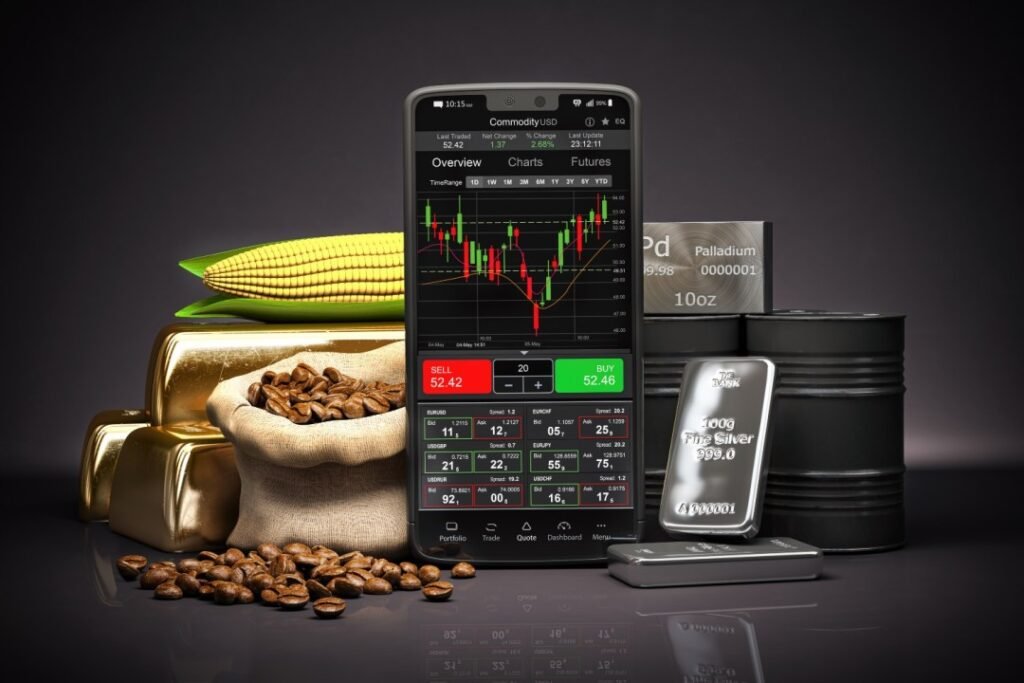
Futures Contracts
Futures contracts are agreements to buy or sell a commodity at a specific future date and price.
This allows investors to gain exposure to a commodity with minimal cost compared to purchasing the physical asset itself. Most people searching how to buy commodities want simple, safe, and beginner-friendly strategies.
How Futures Work
A futures contract represents a set amount of a commodity.
For example:
- Oil contracts
- Gold contracts
- Corn contracts
If prices rise, the contract gains value. If prices fall, losses occur.
Risks of Futures Trading
While futures provide access to a Personal Financial Planning In Jacksonville, FL, they are considered high-risk investments.
Futures trading involves:
- Market volatility
- Leverage risks
- Complex trading strategies
- Potential for large losses
Because of this complexity, futures are generally better suited for experienced investors.
Mutual Fund or ETF Investments
For many beginners, a Mutual Fund or ETF is the simplest and safest way to start investing in commodities.
What Is a Mutual Fund or ETF?
A Mutual Fund or ETF pools investments from multiple investors to purchase a diversified collection of commodity-related assets.
These may include:
- Commodity futures
- Mining companies
- Energy stocks
- Agricultural investments
Benefits of Mutual Fund or ETF Investing
Using a Mutual Fund or ETF offers several advantages:
- Easier diversification
- Lower investment barriers
- Better liquidity
- Professional management
- Reduced storage concerns
This method helps investors access a commodity with minimal cost while avoiding the challenges of physical ownership.
Potential Drawbacks
Some commodity ETFs and funds may include:
- Management fees
- Tax complexities
- Market tracking errors
Investors should carefully review fund structures before investing.
Risks of Commodity Investing
Like all investments, commodities come with risks.
Price Volatility
Commodity prices can rise and fall quickly due to:
- Weather events
- Global conflicts
- Supply shortages
- Economic conditions
Market Speculation
Some commodity markets are heavily influenced by investor speculation, increasing unpredictability.
Economic Slowdowns
During economic downturns, demand for certain commodities may decline sharply.
Understanding these risks helps investors make informed decisions about how to invest in commodities safely. Knowing how to buy commodities allows you to diversify your portfolio and protect against inflation.
Tips for Beginner Commodity Investors
If you are new to commodity investing, consider these strategies:
Start Small
Begin with smaller investments while learning market behavior.
Diversify Your Portfolio
Avoid placing all funds into a single commodity sector.
Research Before Investing
Understand how each commodity market operates before committing money.
Consider Professional Guidance
Financial professionals can help build investment strategies aligned with your goals.
Why Financial Planning Matters
Making smart investment decisions requires proper financial planning and long-term strategy.
Willie Johnson’s KountryBoiFinance helps clients understand investments, budgeting, and wealth-building strategies through trusted Personal Financial Planning In Jacksonville, FL.
We also understand that strong credit plays a major role in financial growth. Our team provides support through Credit Repair Services In El Paso, TX and reliable Professional Credit Repair Services In Tacoma , WA to help clients improve their overall financial position.
Conclusion
Learning how to buy commodities gives investors new opportunities to diversify portfolios and potentially protect against inflation. Whether through Physical Commodities, futures contracts, or a Credit Repair Services In El Paso, TX each investment method offers unique advantages and risks.
For most beginners, starting with a Mutual Fund or ETF provides a simpler and more accessible way to begin learning how to invest in commodities. As with any investment, proper research, diversification, and professional guidance are essential for long-term success.
FAQs
What are commodities in investing?
Commodities are raw materials or agricultural goods such as gold, oil, wheat, and coffee that investors can trade or invest in.
What is the easiest way to buy commodities?
For beginners, investing through a Mutual Fund or ETF is often the easiest and safest option.
Are Physical Commodities a good investment?
Physical Commodities can provide value and inflation protection, but they also require storage, insurance, and maintenance.
Is commodity investing risky?
Yes, commodity markets can be volatile due to changing supply, demand, and global economic conditions.