

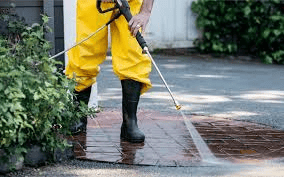
When it comes to keeping your home clean on the outside, many homeowners assume that all exterior cleaning is the same. In reality, there are different methods used for different surfaces, and choosing the wrong one can lead to costly damage. Two of the most commonly confused services are house washing and pressure washing. While both aim to remove dirt, grime, mold, and buildup, the techniques and purposes behind them are quite different.
Understanding the difference between these services helps homeowners make informed decisions, protect their property, and get better long-term results. At JM Pressure Washers, we believe that education is just as important as clean surfaces, which is why this guide breaks everything down clearly and simply.
Why Exterior Cleaning Matters for Your Home
Over time, homes are exposed to harsh elements like rain, wind, pollution, pollen, algae, and mildew. These contaminants don’t just affect appearance—they can also shorten the lifespan of siding, roofing, and painted surfaces. Regular exterior cleaning helps prevent permanent staining, reduces maintenance costs, and improves curb appeal.
More importantly, certain growths like mold and algae can spread quickly if not treated properly. Choosing the right cleaning method ensures these issues are removed safely without harming your home’s materials.
What Is Pressure Washing?
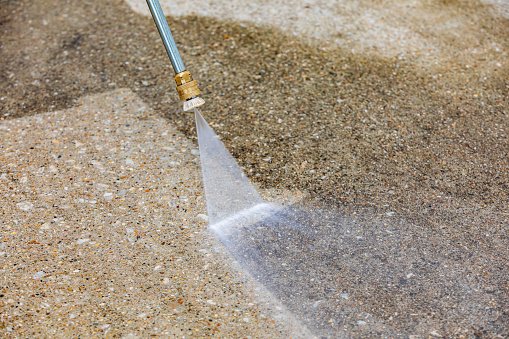
Pressure washing uses high-powered water to remove tough dirt, grime, grease, and buildup from hard surfaces. This method relies on strong water force rather than chemicals, making it ideal for surfaces that can handle high pressure.
This cleaning method is especially effective for concrete, brick, stone, and other durable areas around a property. Driveways, sidewalks, patios, and pool decks are common examples of where pressure washing works best.
Because of the intensity involved, pressure washing should be handled carefully. When used incorrectly, it can strip paint, etch concrete, or damage surfaces that are not designed to withstand high force.
When Pressure Washing Is the Right Choice
Pressure washing is best suited for:
- Concrete driveways and walkways
- Brick and stone surfaces
- Garage floors
- Heavily soiled patios
- Commercial surfaces with grease or oil stains
For these areas, professional Pressure Washing Service ensures that dirt and stains are removed efficiently while maintaining the integrity of the surface. Professionals understand how to adjust pressure levels to match the material being cleaned, which reduces the risk of damage.
What Is House Washing?
House washing is a gentler cleaning method specifically designed for siding, roofs, and other delicate exterior surfaces. Instead of relying on high water pressure, this method uses specialized cleaning solutions and low-pressure water to safely remove dirt, algae, mold, and mildew.
This approach, often referred to as “soft washing,” allows cleaners to break down contaminants at their source. The cleaning solution does most of the work, while low pressure gently rinses everything away.
House washing is ideal for vinyl siding, painted wood, stucco, fiber cement, and roofing materials. These surfaces can be easily damaged by high-pressure water, which makes soft washing the safer and more effective option.
Why House Washing Protects Your Home
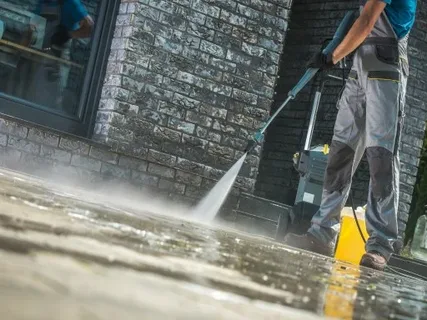
One of the biggest advantages of house washing is surface protection. High pressure can force water behind siding or under shingles, leading to moisture issues, mold growth, and structural damage. Low-pressure methods avoid these risks while still delivering a deep clean.
Professional exterior walls and roof washing removes harmful buildup without stripping paint, loosening shingles, or cracking siding. It also helps maintain manufacturer warranties, which often become void if improper cleaning methods are used.
Key Differences Between House Washing and Pressure Washing
Although both services aim to clean exterior surfaces, the differences between them are significant:
Water Pressure
Pressure washing relies on strong water force. House washing uses low pressure combined with cleaning solutions.
Best Surfaces
Pressure washing is best for hard surfaces like concrete and stone. House washing is designed for siding, roofing, and painted surfaces.
Risk Level
Pressure washing carries a higher risk of damage if done incorrectly. House washing is safer for most residential surfaces.
Cleaning Method
Pressure washing removes dirt through force. House washing removes contaminants by breaking them down chemically and rinsing gently.
Understanding these differences helps homeowners avoid costly mistakes and choose the right service for each area of their property.
Common Misconceptions About Exterior Cleaning
Many homeowners believe that higher pressure always means better results. In reality, more pressure can often cause more harm than good. Another misconception is that one method can clean everything effectively, which isn’t true.
Different surfaces require different approaches. What works for a concrete driveway could severely damage vinyl siding or roof shingles. That’s why professional exterior home cleaning services assess each surface individually before choosing a method.
The Role of Equipment in Professional Cleaning
Professional exterior cleaning involves more than just a machine and water. Specialized equipment allows technicians to control pressure levels, apply cleaning solutions evenly, and reach difficult areas safely.
Tools like adjustable nozzles and pressure washer wands help professionals clean efficiently while maintaining control and precision. These tools ensure consistent results across large areas and reduce the risk of accidental damage.
DIY vs. Professional Cleaning: What Homeowners Should Know
While many homeowners consider renting equipment for DIY cleaning, exterior cleaning can be more complex than it appears. Using incorrect pressure settings or cleaning solutions can lead to costly repairs.
Professional cleaners understand surface materials, environmental factors, and proper techniques. They also have access to commercial-grade equipment that delivers better results in less time. Hiring professionals not only saves effort but also reduces the risk of injury and property damage.
How Often Should You Clean Your Home’s Exterior?
The frequency of exterior cleaning depends on your location, climate, and surrounding environment. Homes in humid or shaded areas may need cleaning more often due to mold and algae growth.
In general:
- House washing is recommended once a year
- Driveways and concrete surfaces may need cleaning every 1–2 years
- High-traffic or heavily soiled areas may require more frequent attention
Regular maintenance prevents buildup from becoming permanent and helps extend the life of exterior surfaces.
Choosing the Right Service for Your Home
The best approach is often a combination of both methods. A home may require gentle cleaning for siding and roofing, while walkways and driveways benefit from stronger cleaning power.
Professional house washers evaluate each surface and apply the appropriate technique. This customized approach ensures a thorough clean without unnecessary risk.
Final Thoughts: Making the Smart Choice for Your Property
Knowing the difference between house washing and pressure washing empowers homeowners to protect their investment. Choosing the right method preserves materials, enhances curb appeal, and prevents long-term damage.
At JM Pressure Washers, our goal is to deliver safe, effective exterior cleaning tailored to your home’s needs. Whether your property requires gentle washing or targeted high-pressure cleaning, understanding the difference ensures you get the best results possible—without compromising your home’s integrity.
Frequently Asked Questions
1. What is the difference between house washing and pressure washing?
House washing uses low pressure and cleaning solutions. Pressure washing uses stronger water force for tougher surfaces.
2. Can pressure washing damage my home?
Yes. High pressure can harm siding, paint, and roofing if not used correctly.
3. How often should a home be cleaned outside?
Most homes need exterior cleaning once a year to stay clean and protected.
4. Is professional cleaning better than DIY?
Yes. Professionals use the right tools and pressure levels to avoid damage.