Essential Cleaning Solutions for Medical Offices in Florida
A medical office should feel calm, clean, and safe from the moment a patient walks through the door. Clean spaces can also support infection prevention and help staff work with greater confidence. However, healthcare cleaning requires more care than ordinary office cleaning. Different rooms have different risks, and high-touch surfaces need special attention. The right Medical Cleaning Service approach should match the needs of each area. CDC guidance emphasizes regular cleaning, targeted disinfection, trained staff, suitable products, and clear cleaning protocols.
Florida medical offices also face warm, humid conditions that can make cleanliness harder to maintain. Therefore, smart cleaning plans should address moisture, dust, floors, restrooms, waiting areas, and patient rooms. Most importantly, cleaning should support both patient comfort and infection control.
1. Start With High-Touch Surfaces
It is important to note that high-touch surfaces should be considered when developing a medical cleaning services plan since they are usually frequented by a number of people every day. Some examples include door handles, light switches, countertops, armrests, faucet knobs, keyboards, and check-in surfaces among others. The above list requires a specific schedule that includes frequent cleaning based on how often they are used.
As per the recommendations provided by CDC, it is advisable that one emphasizes the cleaning and disinfection of surfaces that are close to the patients as well as frequently used. In this regard, any medical cleaning service plan should emphasize the above list as opposed to every other surface in the facility.
2. Choose Cleaning Products With Care
Not every cleaner works for every medical surface. Therefore, product selection should consider the surface, expected contamination, equipment instructions, and the germs most likely to be present. CDC guidance recommends appropriate EPA-registered disinfectants for healthcare environmental surfaces. For example, Floor Cleaning Services In Coral Springs, FL may address commercial flooring needs in nearby healthcare environments, while carpet care requires a different approach.
A reliable Medical Cleaning Service should understand these differences. Still, facility staff should maintain clear product records and policies. Keep safety information available, avoid unnecessary chemical mixing, and use products only for their intended purpose.
3. Give Exam Rooms Extra Attention
Exam rooms deserve careful cleaning because patients and healthcare workers share the same space. Surfaces near the patient can receive frequent contact during appointments. Therefore, cleaning should focus on examination tables, counters, handles, switches, stools, and other commonly touched areas.
CDC guidance identifies patient-zone and high-touch surfaces as important parts of environmental cleaning. This makes Medical Clinic Cleaning an important part of maintaining a clean care environment.
Moreover, cleaning plans should reflect the type of care provided. A general medical practice may have different needs than a dental, pediatric, dermatology, or urgent-care setting. A risk-based approach can help each area receive the attention it needs without wasting time on low-risk surfaces.
4. Keep Waiting Areas Fresh and Comfortable
Waiting rooms create a patient’s first impression. More importantly, many people may share these spaces during the day. Therefore, cleaning should cover seating, tables, reception counters, door handles, floors, and restroom areas.
A Medical Office Cleaning FL plan should account for patient traffic and Florida’s warm climate. Moisture, tracked-in dirt, and dust can quickly affect floors and entryways. Regular attention helps keep these areas clean without making the environment feel overly clinical.
5. Protect Floors, Carpets, and Entryways
Floors collect dirt, dust, moisture, and debris throughout the day. Entryways can collect even more because patients bring outdoor material inside. Therefore, floor care should receive steady attention in every medical office. Hard floors need cleaning based on traffic, visible soil, spills, and facility policies. Carpets also need regular care because trapped dust can affect the overall appearance of a room. However, cleaning methods should match the flooring material.
Similarly, Carpet Cleaning Services In Boca Raton, FL can represent a separate cleaning need when soft flooring requires deeper maintenance.
6. Treat Restrooms as a Priority Area
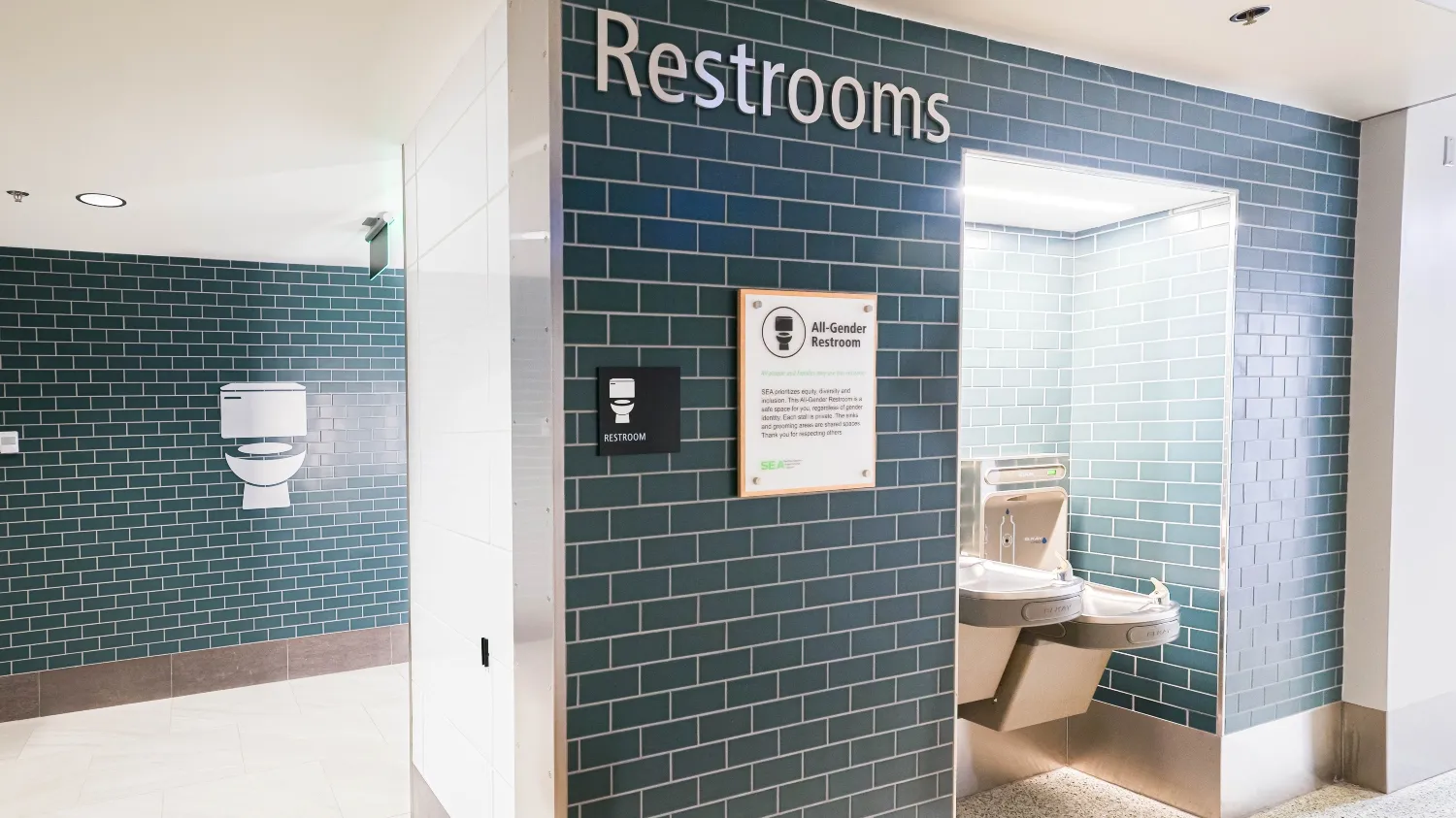
Medical office restrooms require consistent attention because they combine high traffic, moisture, and frequent surface contact. Therefore, cleaning should address sinks, faucets, handles, counters, dispensers, toilets, floors, and other commonly touched areas.
A clear Medical Office Cleaning Services Near me search may lead people to different types of providers. However, the key consideration should remain the quality and suitability of the cleaning approach.
Also, choose products that suit bathroom surfaces and follow their labels. Avoid using harsh chemicals simply because an area feels difficult to clean. Effective cleaning depends on the right product, correct use, suitable frequency, and careful surface care.
7. Handle Spills and Contamination Responsibly
Spills require quick attention in healthcare settings. Blood and other potentially infectious materials create additional concerns, so cleaning policies should address these situations clearly.
OSHA requires covered workplaces to maintain clean and sanitary conditions and establish cleaning and decontamination methods based on location, surface type, contamination, and the work performed. Nearby healthcare facilities may also encounter related needs through Cleaning Services In Deerfield Beach, FL. The goal should always remain clear: maintain a clean, comfortable, and well-managed environment.
8. Build a Consistent Florida Cleaning Schedule
Consistency brings all cleaning efforts together. A medical office may have excellent products, but an inconsistent schedule can leave important areas overlooked. Therefore, cleaning should follow a written plan based on patient traffic, surface contact, room use, and contamination risk.
CDC guidance supports setting-specific cleaning protocols, staff education, monitoring, and feedback. A strong Medical Cleaning Service program should reflect those principles without treating every medical office as identical.
Consider separating areas into routine cleaning groups:
- High-touch patient areas
- Waiting and reception spaces
- Restrooms and shared areas
- Administrative offices
- Floors and entryways
- Equipment and patient-care surfaces
Most importantly, treat cleaning as part of the overall safety culture. Clean environments support patient confidence, staff comfort, and a more organized healthcare setting.
A Cleaner Standard for Patient Care
Medical office cleaning goes far beyond making rooms look neat. It supports a safer environment where patients can feel comfortable and staff can focus on care.
A thoughtful Medical Cleaning Service approach combines proper products, trained personnel, written schedules, careful surface care, and ongoing review. For local business owners, Paul’s cleaning services of broward can also be considered among the names associated with cleaning needs in the area. However, every medical office should evaluate cleaning practices based on its specific setting, patient population, policies, and applicable healthcare requirements.
FAQs
1. How often should medical offices be cleaned?
It is dependent upon the patient flow, surface touch, likelihood of contamination and services offered. The high touch/ patient zone surfaces usually need more cleaning than others.
2. Which surfaces would require the most attention?
High touch surfaces are likely to need additional attention. Some high touch surfaces could include door handles, light switches, counter tops, chair arms, faucets and surfaces near the patients.
3. Is regular household cleaning enough for the medical offices?
It depends on what is needed by the healthcare setting and not necessarily all healthcare settings use regular cleaners.
4. Why would Florida’s climate make a difference when it comes to cleaning a medical office?
Florida’s climate would be very wet and humid and may increase the importance of moisture at entryways and bathrooms.
5. Why are cleaning records important in medical offices?
They are helpful in providing information on which areas need cleaning and when they were done.
Find trusted local businesses in your state.
Browse the directory