

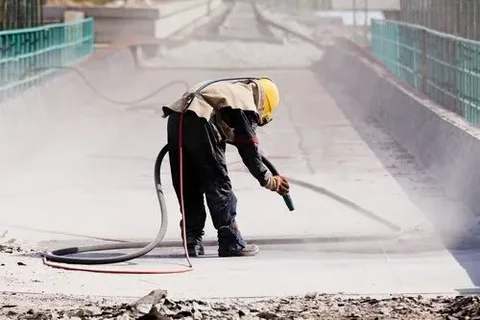
Sandblasting is a tough job. It cleans metal, strips paint, and preps surfaces fast. But the machines doing this work face heavy wear. If you don’t watch for problems early, small issues turn into big repair bills. This guide walks through the most common Sandblasting Maintenance Issues and how to stop them before they start.
Why Maintenance Matters So Much
Sandblasting gear works under harsh stress. Sand or media moves at high speed through hoses, nozzles, and tanks. Over time, this wears down parts fast. Skipping checks can lead to broken hoses, clogged nozzles, or a machine that stops mid-job.
Good upkeep saves money. It also keeps your crew safe. A blasted hose or a cracked tank can hurt someone nearby. That is why smart shops build maintenance into their weekly routine, not just when something breaks.
Top Sandblasting Maintenance Issues to Watch For
1. Nozzle Wear
The nozzle takes the most abuse. Sand grains rush through it at high speed, wearing the inside edges down. A worn nozzle sprays unevenly. This slows your work and wastes media.
Fix: Check the nozzle weekly. Replace it once you see wide wear marks or a rough inner edge.
2. Hose Cracks and Leaks
Hoses carry media under high pressure. Heat, friction, and time all wear them down. A small crack can turn into a full leak fast, dropping your pressure and slowing the job.
Fix: Inspect hoses before each use. Look for soft spots, bulges, or surface cracks. Replace any hose showing wear signs right away.
3. Moisture in the Tank
Water in your media tank causes clumping. Clumped media clogs lines and jams nozzles. This is one of the most common issues with any dustless blasting machine, since water is often mixed in to cut down dust during the job.
Fix: Drain and dry your tank fully after each use, especially with water-based systems. Store media in a dry, sealed space.
4. Air Compressor Trouble
Your blaster needs steady air pressure to work right. If the compressor struggles, your blast loses power and becomes uneven.
Fix: Check oil levels and filters often. Clean or swap air filters on a set schedule, not just when airflow drops.
5. Worn Seals and Gaskets
Seals keep air and media moving where they should. Once they wear out, you get leaks, pressure loss, and wasted media.
Fix: Check seals monthly. Replace any that look cracked, flat, or brittle.
How Often Should You Do Maintenance Checks?
A simple weekly and monthly split works well for most shops:
- Daily: Check hoses and nozzles before starting.
- Weekly: Inspect seals, gaskets, and air filters.
- Monthly: Full tank clean, compressor check, and deep nozzle inspection.
Sticking to this routine catches problems early, before they shut down a job.
When to Call in the Pros
Some issues need more than a quick fix. If your machine keeps losing pressure, or the media keeps clumping no matter what you try, it may be time for outside help.
For shops in Southern California, sandblasting services in Anaheim, CA offer trained technicians who can fully inspect your gear, swap worn parts, and get your setup running at full strength again, often the same day.
Choosing the Right Sand Blasting Setup
Not all jobs need the same kind of sand blasting gear. A small auto part needs a different setup than a large steel beam. Picking the wrong media or pressure setting wears your gear down faster and causes more frequent breakdowns.
Talk to a specialist before buying new gear or media. They can match your tools to your actual job size and material type, saving wear in the long run.
Why Professional Sand Blasting Services Help
Doing maintenance yourself is smart. But sometimes a trained eye spots issues you might miss. Many shops also offer full equipment care plans alongside their sand blasting services, giving you regular check-ups without the hassle of doing it all solo.
If your shop runs heavy daily jobs, working with a leading sand blasting provider in Los Angeles, CA can mean fewer surprise breakdowns and longer life for your gear, since their teams often service many machines and catch wear patterns early.
Working With Local Experts
Local know-how matters too. Weather, water quality, and job type vary by area, and these all affect how fast your gear wears down.
For shops near the Inland Empire or San Gabriel Valley, working with Qualified Sand Blasting Specialists in City of Industry gives you access to teams who understand regional wear patterns and can offer faster part replacement and service turnaround.
A trusted name like JM Pressure Washers also understands how blasting and pressure equipment overlap in daily wear and care, making them a solid resource for shops juggling multiple types of cleaning and prep gear.
Final Thoughts
Staying ahead of Sandblasting Maintenance Issues keeps your jobs running smooth and your costs down. Check your gear often, fix small issues fast, and don’t wait for a full breakdown to call for help. A little routine care goes a long way toward a longer-lasting, safer blasting setup.
Frequently Asked Questions
Q: How often should I replace my sandblasting nozzle?
Check it weekly. Replace it once you notice rough edges or uneven spray patterns, usually every few weeks with heavy use.
Q: Why does my media keep clumping?
Moisture is the most common cause. Make sure your tank is fully dry before adding new media.
Q: What’s the difference between dry and dustless blasting?
Dry blasting uses only abrasive media. A dustless setup mixes in water to cut down airborne dust, but this adds extra maintenance steps to prevent clumping.
Q: How long should hoses last with regular use?
It depends on use, but most hoses need replacing every few months with daily heavy work. Always check for soft spots or cracks.
- Q: Is professional maintenance worth the cost?
Yes, especially for busy shops. Professional checks catch hidden wear early, often saving more in avoided downtime than the service costs.